



Healthcare is undergoing one of the biggest transformations in human history. Advances in artificial intelligence (AI), robotics, telemedicine, wearable devices, and digital health platforms are revolutionizing how diseases are detected, treated, and prevented. Technology is not only improving patient outcomes but also making healthcare more accessible, affordable, and efficient worldwide.
- 1. Artificial Intelligence: Smarter Diagnosis and Treatment
- 2. Telemedicine: Healthcare Anywhere, Anytime
- 3. Wearable Devices: Real-Time Health Monitoring
- 4. Robotics: Precision and Advanced Surgical Care
- 5. Remote Patient Monitoring and Digital Health
- 6. Personalized Medicine: Treatment Designed for You
- 7. Automation and Smart Hospitals
- 8. Preventive Healthcare: Focus on Prevention, Not Just Treatment
- 9. The Role of Technology in Rural and Remote Healthcare
- Challenges and Concerns
- Conclusion
In this article, we explore how modern technology is shaping the future of health and medicine.
1. Artificial Intelligence: Smarter Diagnosis and Treatment
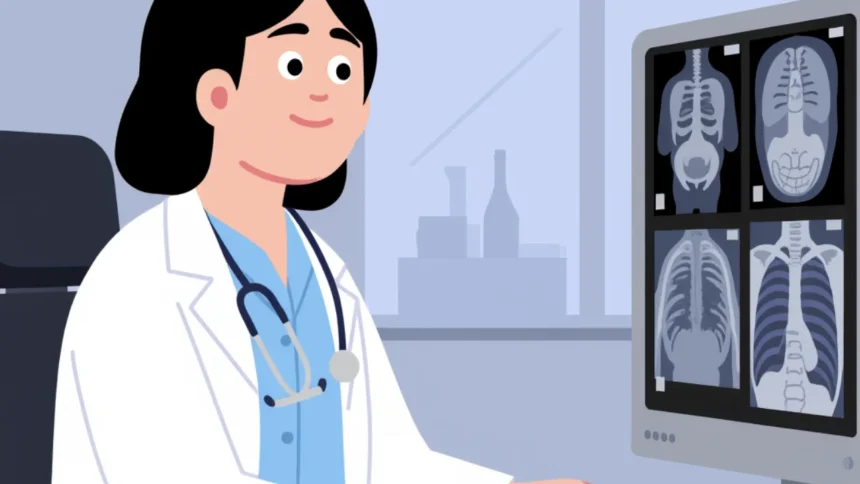
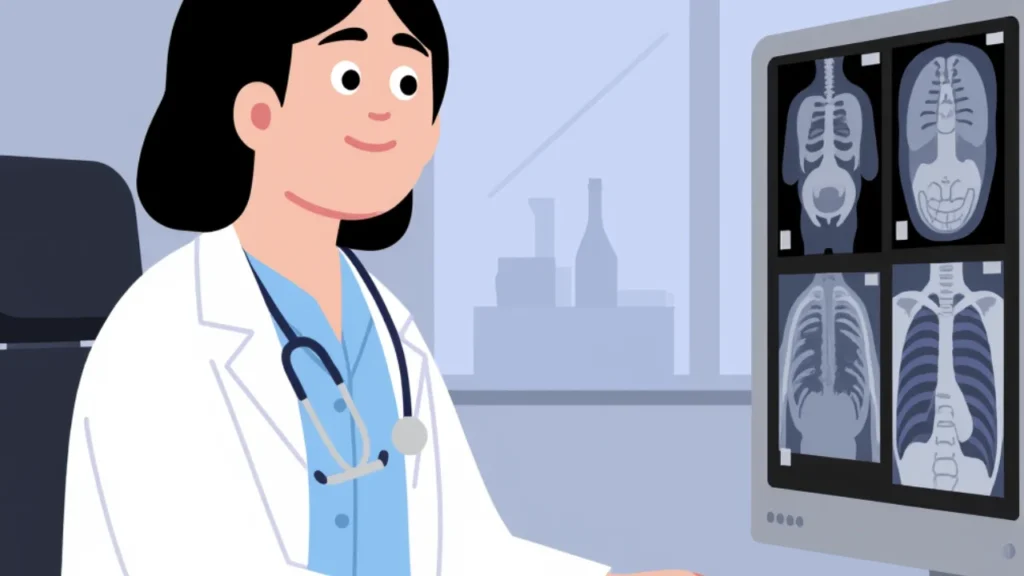
Artificial intelligence is becoming a powerful tool in healthcare. AI systems can analyze massive amounts of medical data, identify patterns, and help doctors make faster and more accurate decisions.
For example:
- AI can analyze X-rays, MRIs, and CT scans to detect diseases earlier.
- It helps doctors predict health risks and recommend personalized treatments.
- AI platforms can reduce drug discovery time by up to 50% and lower research costs significantly.
AI is also improving telemedicine by assisting in diagnostics, patient monitoring, and treatment planning. The percentage of physicians using AI increased significantly in recent years, showing its growing importance in modern healthcare.
In the future, AI may act as a digital assistant for doctors, helping them diagnose diseases faster and more accurately.
2. Telemedicine: Healthcare Anywhere, Anytime
Telemedicine allows patients to consult doctors remotely using smartphones, computers, or video calls. This technology is especially useful for people in rural or remote areas.
Benefits of telemedicine include:
- Remote consultations without hospital visits
- Faster medical advice and diagnosis
- Improved access to specialists
- Reduced healthcare costs
AI-powered telemedicine tools can handle up to 70% of non-emergency cases, reducing pressure on healthcare systems.
Telemedicine has also expanded access to healthcare in rural areas and improved patient monitoring, making healthcare more convenient and efficient.
In the future, telemedicine will become a standard way of receiving healthcare.
3. Wearable Devices: Real-Time Health Monitoring
Wearable health devices such as smartwatches and fitness trackers are transforming healthcare by allowing continuous monitoring of health data.
These devices can monitor:
- Heart rate
- Sleep patterns
- Physical activity
- Blood oxygen levels
Wearables can detect early signs of health problems and alert patients and doctors before symptoms become serious.
This shift from reactive to preventive healthcare helps people stay healthier and avoid serious diseases.
4. Robotics: Precision and Advanced Surgical Care
Medical robots are improving the precision and safety of surgeries. Robotic-assisted surgeries allow doctors to perform complex procedures with greater accuracy.
Benefits include:
- Smaller incisions
- Faster recovery time
- Less pain and bleeding
- Reduced complications
Robotic surgery systems improve surgical precision and reduce hospital stays compared to traditional methods.
The global medical robotics market is expected to grow rapidly, showing strong demand for robotic healthcare solutions.
In the future, robots may assist doctors in most surgeries.
5. Remote Patient Monitoring and Digital Health
Digital health technologies allow doctors to monitor patients remotely using connected devices and mobile apps.
These technologies help in:
- Monitoring chronic diseases
- Tracking patient recovery
- Providing real-time health updates
- Preventing emergencies
AI-powered remote monitoring improves patient care and helps detect health issues early.
This reduces hospital visits and improves overall healthcare efficiency.
6. Personalized Medicine: Treatment Designed for You
Technology is enabling personalized medicine, where treatments are tailored to individual patients based on their:
- Genetics
- Lifestyle
- Medical history
- Health data
AI analyzes patient data to recommend the best treatments, improving effectiveness and reducing side effects.
This approach represents the future of healthcare.
7. Automation and Smart Hospitals
Hospitals are becoming smarter with automation and digital tools.
Technology is helping hospitals:
- Automate medical records and documentation
- Improve patient management
- Reduce administrative workload
- Enhance efficiency and accuracy
Automation can reduce healthcare provider workload and improve patient care efficiency.
Smart hospitals will become common in the future.
8. Preventive Healthcare: Focus on Prevention, Not Just Treatment
Traditional healthcare focuses on treating diseases after they occur. Modern technology is shifting healthcare toward prevention.
AI and wearable devices can predict health risks and help prevent diseases before they become serious.
This approach improves quality of life and reduces healthcare costs.
9. The Role of Technology in Rural and Remote Healthcare
Technology is helping provide healthcare to remote and underserved areas.
AI and telemedicine are:
- Improving access to medical experts
- Reducing diagnostic delays
- Supporting rural healthcare systems
These technologies help bridge the healthcare gap worldwide.
Challenges and Concerns
Despite its benefits, healthcare technology also faces challenges:
- Data privacy and security
- High implementation costs
- Technology accessibility
- Ethical concerns
These issues must be addressed to ensure safe and fair healthcare.
Conclusion
Technology is transforming healthcare faster than ever before. Artificial intelligence, telemedicine, wearable devices, robotics, and digital health platforms are making healthcare smarter, faster, and more accessible.
In the future, healthcare will be more personalized, preventive, and efficient. Patients will receive better care, doctors will have powerful tools, and healthcare systems will become more advanced.
The future of health and medicine is not just about treating diseases — it is about creating a healthier world through technology.