




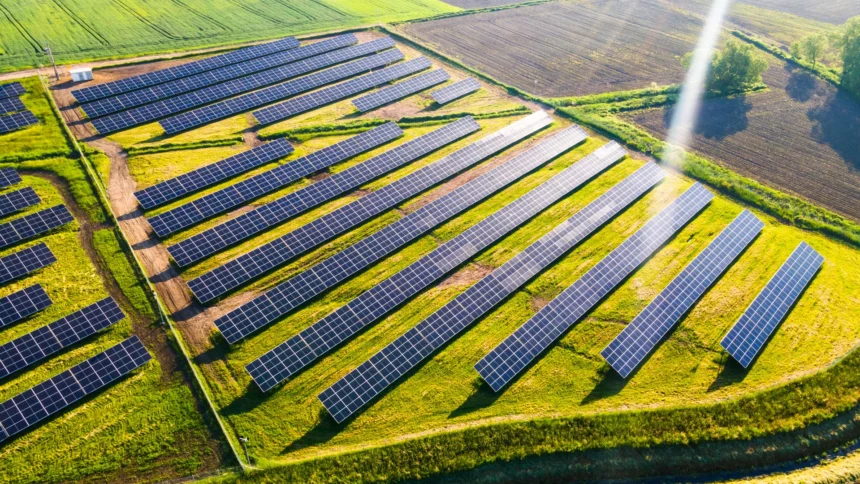
Australia is undergoing one of the most significant energy transformations in its history. With vast natural resources, strong policy direction, and growing private-sector participation, the country is investing heavily in renewable energy technology and infrastructure. This shift is not only aimed at reducing carbon emissions but also at strengthening energy security, boosting economic growth, and positioning Australia as a global clean energy leader.
A Strategic Shift Toward Clean Energy
Over the past decade, Australia has accelerated its transition from fossil fuels to renewable power sources such as solar, wind, hydro, and battery storage. The federal government, alongside state governments, has introduced ambitious renewable energy targets designed to significantly increase the share of clean electricity in the national grid by 2030 and beyond.
Australia’s natural landscape gives it a unique advantage. The country enjoys some of the highest solar radiation levels in the world, making it ideal for large-scale solar farms. At the same time, vast coastal and inland areas provide strong and consistent wind resources, enabling rapid wind energy development. This natural potential has attracted billions of dollars in domestic and international investment.
Record Investments in Renewable Infrastructure
Investment in renewable energy infrastructure has reached record levels in recent years. Billions of dollars have been committed to large-scale solar farms, wind projects, battery storage systems, and transmission network upgrades. These projects are being developed across multiple states, including New South Wales, Victoria, Queensland, Western Australia, and South Australia.
Large-scale wind farms are expanding rapidly, contributing gigawatts of new generation capacity to the national grid. Solar farms are also being built at unprecedented scale, supplying clean electricity to millions of homes and businesses. Beyond generation, the country is heavily investing in grid-scale battery storage systems that stabilize supply and ensure reliability during peak demand.
Energy storage has become a central pillar of Australia’s renewable strategy. As solar and wind power are variable sources, battery energy storage systems help store excess energy generated during sunny or windy periods and release it when needed. This ensures a more consistent and dependable power supply.
Modernizing the Electricity Grid
One of the most important aspects of Australia’s renewable transition is grid modernization. Building renewable power plants is only part of the solution; the electricity must be efficiently transported from remote renewable-rich areas to cities and industrial centers.
To address this, major transmission infrastructure projects are underway. New high-voltage transmission lines are being developed to connect renewable energy zones to the national electricity market. These renewable energy zones are designated areas where multiple solar and wind projects are clustered together, supported by coordinated grid infrastructure.
Grid upgrades are also focusing on digitalization and smart technology integration. Advanced grid management systems are being implemented to improve forecasting, demand response, and system stability. This modernization ensures that higher levels of renewable penetration can be managed safely and efficiently.
Boosting Economic Growth and Job Creation
Australia’s renewable energy infrastructure boom is delivering substantial economic benefits. Thousands of jobs are being created across construction, engineering, project management, and maintenance. Regional communities, in particular, are experiencing economic revitalization as renewable projects are often located in rural and remote areas.
In addition to job creation, renewable energy investment is driving innovation and technological advancement. Australian research institutions and companies are actively involved in improving solar panel efficiency, battery technology, hydrogen production, and grid integration systems. These innovations position Australia as not just a consumer of renewable technology, but also a developer and exporter.
Foreign investment has also played a key role. Global energy companies and infrastructure funds are investing heavily in Australian renewable projects, recognizing the country’s stable regulatory environment and strong resource base. This inflow of capital further accelerates development and strengthens Australia’s clean energy economy.
Expanding into Green Hydrogen
Beyond electricity generation, Australia is investing in emerging renewable technologies such as green hydrogen. Green hydrogen is produced using renewable electricity to split water into hydrogen and oxygen, creating a clean fuel with zero direct emissions.
With its vast renewable capacity, Australia has the potential to become a major exporter of green hydrogen to international markets. Hydrogen hubs are being planned and developed in various states, supported by both government funding and private investment. These projects aim to supply clean fuel for heavy industry, transport, and international energy markets.
Green hydrogen is seen as a key component of decarbonizing sectors that are difficult to electrify, such as steel production, shipping, and heavy transport. By investing early in hydrogen infrastructure, Australia is positioning itself at the forefront of this emerging global industry.
Meeting Climate Commitments
Australia’s renewable infrastructure investments align closely with its national climate commitments. The country has pledged to significantly reduce greenhouse gas emissions in the coming decades. Expanding renewable energy is central to achieving these goals.
As renewable generation increases, coal-fired power stations are gradually being phased out. This transition reduces carbon emissions while encouraging cleaner alternatives. The growing share of renewable electricity in the national grid demonstrates measurable progress toward climate targets.
Moreover, renewable energy enhances energy independence. By relying more on domestic solar and wind resources rather than imported fossil fuels, Australia strengthens its long-term energy security.
Challenges Along the Way
Despite strong momentum, Australia’s renewable transition faces challenges. Infrastructure development at such a large scale requires careful planning, regulatory coordination, and community engagement. Transmission bottlenecks and project approval delays can slow progress.
There are also technical challenges related to integrating high levels of intermittent renewable energy into the grid. Maintaining reliability while increasing renewable penetration requires continued investment in storage, grid technology, and system planning.
However, these challenges are being addressed through policy reforms, improved coordination between governments and regulators, and ongoing technological advancements.
The Road Ahead
Looking ahead, Australia’s renewable energy sector is expected to continue expanding rapidly. New projects are already in the pipeline, and investment momentum remains strong. As costs for solar panels, wind turbines, and battery systems continue to decline, renewable energy becomes increasingly competitive with traditional fossil fuels.
Australia’s long-term vision includes a highly modernized electricity grid dominated by renewable generation, supported by advanced storage systems and hydrogen production facilities. This transformation not only contributes to environmental sustainability but also strengthens economic resilience.
In the coming years, Australia’s heavy investment in renewable energy technology infrastructure will likely serve as a model for other nations seeking to accelerate their clean energy transitions. With abundant natural resources, strong policy support, and growing technological innovation, Australia is firmly positioning itself as a global leader in renewable energy development.
The country’s commitment to building a cleaner, smarter, and more sustainable energy system reflects both economic opportunity and environmental responsibility. As renewable energy continues to reshape the national landscape, Australia’s investment today is laying the foundation for a greener and more prosperous tomorrow.