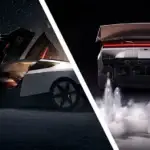





The global automotive industry is undergoing one of the most significant transformations in its history, driven by the rapid transition from internal combustion engines to electric vehicles (EVs). At the center of this transformation stands China. Over the past decade, Chinese EV manufacturers have evolved from domestic players to global competitors, expanding aggressively into international markets and reshaping the future of mobility.
- China’s Domestic Success Laid the Foundation
- Cost Leadership with Competitive Technology
- Strong Battery Ecosystem Advantage
- Strategic Expansion into Europe
- Growth in Southeast Asia and Emerging Markets
- Innovation Beyond the Vehicle
- Manufacturing Scale and Global Supply Chains
- Challenges in the Global Market
- The Future Outlook
- Conclusion
Chinese electric vehicle brands are no longer seen as emerging participants; they are now industry leaders in innovation, affordability, and production scale. Their growing presence across Europe, Southeast Asia, the Middle East, Latin America, and other regions highlights a strategic and well-executed global expansion plan.
China’s Domestic Success Laid the Foundation
China is the largest EV market in the world. Strong government support, including subsidies, tax incentives, and infrastructure development, accelerated early adoption. Massive investments in battery production, charging networks, and research and development created a powerful ecosystem that allowed domestic manufacturers to scale rapidly.
This domestic growth provided Chinese EV companies with three major advantages:
- Economies of scale
- Advanced battery technology
- A highly competitive manufacturing supply chain
With a strong base at home, Chinese manufacturers were able to refine their products before entering international markets. This strategy significantly reduced risks associated with global expansion.
Cost Leadership with Competitive Technology
One of the most powerful strengths of Chinese EV manufacturers is cost efficiency. Through vertically integrated supply chains and strong control over battery production, they can offer vehicles at more competitive prices compared to many Western brands.
However, lower pricing does not mean lower quality. Chinese EV companies have made substantial progress in:
- Long-range battery systems
- Fast-charging capabilities
- Smart cockpit technology
- Advanced driver-assistance systems
- Over-the-air software updates
Many models now compete directly with established global brands in terms of design, technology, and driving performance. The combination of affordability and innovation makes Chinese EVs particularly attractive in both developed and developing markets.
Strong Battery Ecosystem Advantage
Battery technology is the core of the electric vehicle industry, and China dominates this segment. Chinese battery manufacturers hold a significant share of global battery production capacity. This dominance gives Chinese automakers a strategic edge in cost control, energy density improvements, and supply chain reliability.
Continuous advancements in lithium-ion technology, improvements in battery safety, and research into next-generation battery chemistry further strengthen China’s position. By controlling battery production, Chinese EV brands reduce dependency on foreign suppliers, which enhances competitiveness in international markets.
Strategic Expansion into Europe
Europe has become a key focus for Chinese EV manufacturers. The region’s strong push toward carbon neutrality and strict emission regulations create favorable conditions for EV adoption.
Chinese brands entering Europe often focus on:
- Premium electric sedans and SUVs
- High-tech features with competitive pricing
- Localized service networks
- Strategic partnerships with distributors
Several Chinese EV models have received strong reviews in European markets for design, performance, and value. While regulatory scrutiny and tariffs pose challenges, the demand for affordable electric vehicles continues to create opportunities.
Growth in Southeast Asia and Emerging Markets
Southeast Asia represents another major growth area. Countries such as Thailand and Indonesia are promoting electric mobility through policy incentives and investment in manufacturing facilities. Chinese EV makers have been quick to establish local assembly plants and partnerships in these regions.
Emerging markets in Latin America, Africa, and the Middle East also present strong potential. In many of these regions, consumers prioritize affordability and long-term fuel savings, making competitively priced electric vehicles an attractive option.
By offering practical models with good driving range and modern technology, Chinese EV manufacturers are building early brand recognition in these developing markets.
Innovation Beyond the Vehicle
Chinese EV companies are not only focusing on vehicle production but also on building a complete ecosystem. This includes:
- Expanding charging infrastructure
- Developing battery-swapping technology
- Integrating AI-powered driving systems
- Offering connected vehicle platforms
Battery swapping, for example, reduces charging time significantly and addresses range anxiety. Meanwhile, software-driven features allow manufacturers to improve vehicle performance through remote updates, enhancing the ownership experience.
This ecosystem-driven strategy positions Chinese EV companies as technology-driven mobility providers rather than traditional automakers.
Manufacturing Scale and Global Supply Chains
China’s manufacturing capabilities play a critical role in its global expansion. The country has one of the most efficient automotive supply chains in the world. From raw materials to final assembly, Chinese manufacturers benefit from strong logistics networks and industrial infrastructure.
Large-scale production allows cost reduction and faster innovation cycles. As a result, Chinese EV makers can respond quickly to changing consumer preferences and technological advancements.
In addition, several Chinese companies are establishing manufacturing plants outside China to avoid trade barriers and improve local market access. This approach strengthens their international footprint and builds trust with local governments.
Challenges in the Global Market
Despite impressive progress, Chinese EV manufacturers face several challenges:
Regulatory Barriers
Different countries have strict safety, environmental, and cybersecurity standards. Meeting these requirements increases operational complexity and cost.
Brand Perception
Some consumers still associate Chinese automotive brands with lower quality. Overcoming this perception requires long-term investment in branding, after-sales service, and customer trust.
Trade Tensions
Geopolitical tensions and potential tariffs can create uncertainty in certain markets. Policy changes may affect pricing strategies and supply chains.
Competition
Global automotive giants are also accelerating their EV transition. Established brands with strong reputations continue to compete aggressively in innovation and marketing.
The Future Outlook
The future of Chinese EV manufacturers appears strong. Continued investment in research and development, battery innovation, and global partnerships will likely increase their international market share.
As electric vehicles become mainstream worldwide, price competitiveness will play a decisive role. Chinese automakers are well-positioned to supply affordable EVs at scale while continuing to improve technology and safety standards.
By 2030, Chinese EV brands are expected to hold a significant share of global electric vehicle sales. Their influence may extend beyond vehicles into energy storage, charging infrastructure, and smart mobility solutions.
Conclusion
Chinese EV manufacturers are rapidly strengthening their global market presence through strategic expansion, cost leadership, technological innovation, and strong supply chain integration. What began as a domestically supported industry has evolved into a globally competitive force shaping the future of transportation.
Although challenges remain in regulation, branding, and geopolitics, the momentum of Chinese electric vehicle companies is undeniable. With continued innovation and expansion, they are poised to play a central role in the worldwide transition toward sustainable mobility.