



For decades, road safety awareness in India has leaned on traditional methods — classroom presentations, community talks, and printed campaigns. While effective to a point, these approaches often struggled to truly convey the gravity of unsafe road behavior.
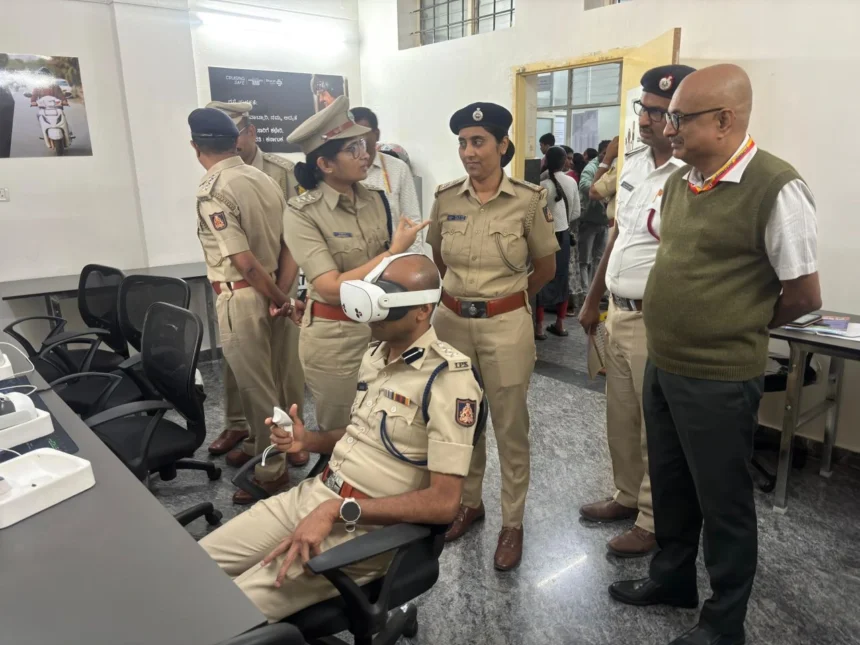
Now, a groundbreaking initiative is changing that narrative. BharatCares has launched one of India’s first Virtual Reality Headset Programs for Road Safety Awareness, marking a milestone in how communities experience and learn about responsible driving.
As an XR journalist tracking the evolution of immersive technologies in India, this program feels like a turning point. Instead of passively listening to lectures, participants are placed inside realistic VR road scenarios — navigating traffic, encountering hazards, and witnessing the consequences of reckless decisions. The immersive nature of VR doesn’t just inform; it shapes behavior by making the risks tangible.
Why It Matters
- CSR Meets XR: Corporate Social Responsibility initiatives have long supported road safety campaigns. Integrating VR adds a powerful new dimension, bridging technology with social impact.
- Behavioral Change Through Experience: Studies in immersive learning show that people retain lessons better when they experience them firsthand. VR simulations allow drivers, students, and communities to internalize safe practices.
- Scalable Awareness: With headset-based programs, awareness can be rolled out across schools, workplaces, and community centers, creating a ripple effect of safer road behavior.
This initiative was made possible through the trust and vision of BharatCares, who partnered with XR innovators to bring this program to life. Their commitment to blending technology with community welfare sets a precedent for how CSR can evolve in India.
India’s roads are among the busiest in the world, and road safety remains a pressing challenge. By leveraging immersive technologies like VR, CSR initiatives can move beyond awareness into behavioral transformation. This program is not just about technology — it’s about saving lives, one simulation at a time.