




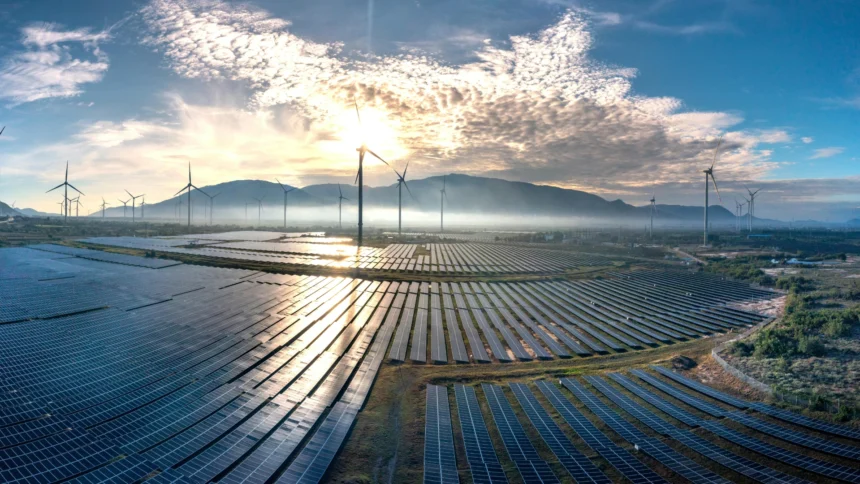
Latin America’s renewable energy sector is witnessing remarkable expansion, positioning the region as one of the fastest-growing clean energy markets in the world. Over the past decade, renewable power has shifted from being a secondary option to becoming a central pillar of national energy strategies. With abundant natural resources, declining technology costs, supportive policies, and rising investor interest, the region is building a strong foundation for a sustainable energy future.
- Abundant Natural Resources Drive Growth
- Government Support and Policy Stability
- Declining Technology Costs Boost Competitiveness
- Rising Investment and Financial Innovation
- Economic and Social Benefits
- Infrastructure and Grid Challenges
- Innovation and Emerging Opportunities
- Regional Leaders and Momentum
- Future Outlook
From large-scale solar farms in desert regions to wind projects along coastal corridors and hydropower stations across major river basins, renewable energy development is reshaping the region’s electricity landscape.
Abundant Natural Resources Drive Growth
Latin America benefits from exceptional geographic and climatic conditions that favor renewable energy production. Many areas receive high levels of solar radiation, making solar power generation highly efficient and cost-effective. Desert regions and dry climates allow solar installations to operate with maximum output throughout the year.
Wind energy is also thriving, particularly in coastal and high-altitude areas where wind speeds are strong and consistent. These natural advantages enable renewable projects to achieve high capacity factors, improving overall profitability and performance.
Hydropower has long played a significant role in electricity generation across the region. Large river systems have supported the construction of major dams that provide stable, low-carbon energy. In addition, geothermal potential in volcanic zones offers another reliable renewable source, contributing to energy diversification.
This mix of solar, wind, hydro, and geothermal resources allows countries to create balanced energy systems that reduce reliance on fossil fuels.
Government Support and Policy Stability
Public policy has been instrumental in accelerating renewable energy development. Many governments have introduced renewable energy targets, competitive auctions, tax incentives, and long-term power purchase agreements to encourage private sector participation.
Competitive bidding systems have helped lower electricity prices by driving efficiency and transparency in project development. Clear regulatory frameworks have attracted international investors who seek stable, long-term returns.
In addition, climate commitments and sustainability goals have encouraged countries to accelerate their energy transitions. By aligning energy policy with environmental objectives, governments are creating a favorable environment for continued renewable expansion.
Declining Technology Costs Boost Competitiveness
The steady decline in the cost of renewable technologies has significantly strengthened Latin America’s energy transition. Solar panels, wind turbines, and energy storage systems are now more affordable than ever before. As a result, renewable projects are increasingly competitive with traditional fossil fuel plants.
In many cases, new solar and wind installations can generate electricity at lower costs than coal or gas facilities. This economic advantage makes renewable energy not only an environmentally responsible choice but also a financially sound investment.
Battery storage is emerging as a crucial complement to renewable generation. By storing excess electricity and releasing it during peak demand periods, storage systems enhance grid reliability and reduce intermittency challenges.
Rising Investment and Financial Innovation
Investment in renewable energy across Latin America continues to grow. Development banks, institutional investors, and private equity firms are financing large-scale projects in multiple countries. Green bonds and sustainable financing instruments are gaining popularity, enabling governments and companies to raise capital specifically for clean energy initiatives.
Corporate demand for renewable power is also increasing. Many companies operating in the region are committing to sustainability goals and seeking clean electricity to power their operations. This growing demand creates additional market opportunities and reinforces investor confidence.
Economic and Social Benefits
The expansion of renewable energy brings substantial economic and social advantages. Construction and operation of renewable projects generate employment in engineering, construction, manufacturing, and maintenance sectors. Local supply chains benefit from increased demand for equipment and services.
In rural and underserved communities, renewable energy improves electricity access and supports economic development. Off-grid solar systems and small-scale wind projects provide reliable power for schools, healthcare facilities, and small businesses.
Renewable energy also enhances energy security by reducing dependence on imported fuels. Countries that rely more on domestic renewable resources can better manage price fluctuations and global supply disruptions.
Infrastructure and Grid Challenges
Despite strong progress, challenges remain. One of the primary obstacles is the need for improved transmission infrastructure. Renewable projects are often located far from major urban centers, requiring significant investment in transmission lines to connect generation sites to consumers.
Grid integration is another critical issue. As the share of intermittent renewable energy increases, power systems must adapt through improved forecasting, digital management tools, and storage integration.
Regulatory consistency is essential for maintaining investor confidence. While many countries have established supportive frameworks, long-term policy stability remains key to sustaining growth.
Innovation and Emerging Opportunities
Innovation is playing an increasingly important role in the region’s renewable expansion. Digital technologies such as smart grids, predictive analytics, and automated monitoring systems are enhancing operational efficiency.
Green hydrogen is emerging as a promising new industry. By using renewable electricity to produce hydrogen fuel, countries can develop export opportunities and contribute to global decarbonization efforts. With abundant solar and wind resources, Latin America is well-positioned to become a significant player in this emerging market.
Hybrid renewable systems that combine solar, wind, and storage technologies are also gaining attention. These integrated systems provide more stable energy output and improve overall reliability.
Regional Leaders and Momentum
Several countries have emerged as leaders in renewable development, demonstrating that large-scale clean energy adoption is both feasible and economically viable. Strong policy direction, resource availability, and competitive market structures have allowed these nations to rapidly increase renewable capacity.
The success of these markets provides valuable lessons for neighboring countries, encouraging regional cooperation and knowledge sharing. As renewable technologies continue to mature, cross-border energy trade and regional grid integration may further strengthen the sector.
Future Outlook
The outlook for Latin America’s renewable energy sector remains highly optimistic. Growing electricity demand, urban expansion, and industrial development will require additional power generation capacity. Renewable energy offers a scalable and sustainable solution to meet this demand.
As storage technologies improve and infrastructure investments expand, renewable integration will become even more efficient. Continued collaboration between governments, investors, and local communities will be essential to sustaining progress.
Latin America stands at a transformative moment in its energy journey. With abundant natural resources, declining technology costs, strong investor interest, and increasing environmental awareness, the region is well-positioned to lead in clean energy development.
The strong growth momentum seen today reflects more than short-term expansion. It represents a long-term structural shift toward sustainability, resilience, and economic opportunity. If current trends continue, renewable energy will not only power homes and industries across Latin America but also contribute meaningfully to global climate solutions and sustainable development for generations to come.