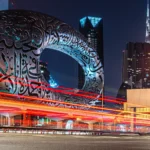





Cities across Europe are undergoing a major transformation as governments embrace digital technology, green infrastructure, and sustainable urban planning. In 2026, smart city development has become a central pillar of Europe’s long-term strategy to improve quality of life, strengthen economic competitiveness, and achieve climate neutrality goals.
- The Smart City Vision in Europe
- Digital Infrastructure and 5G Expansion
- Sustainable Energy and Smart Grids
- Smart Mobility and Urban Transport
- Data-Driven Urban Governance
- Smart Buildings and Urban Planning
- Citizen-Centered Innovation
- Economic Growth and Innovation Ecosystems
- Challenges Facing European Smart Cities
- The Future Outlook
- Conclusion
From advanced public transport systems to energy-efficient buildings and AI-powered urban management, European cities are redefining how urban spaces operate. The smart city movement is not just about technology—it is about creating resilient, inclusive, and environmentally responsible communities.
The Smart City Vision in Europe
The European smart city model focuses on combining digital innovation with sustainability. The primary goals include:
- Reducing carbon emissions
- Improving public transportation
- Enhancing digital public services
- Strengthening energy efficiency
- Promoting citizen participation
Unlike purely technology-driven models, Europe emphasizes human-centered urban development. Smart cities aim to balance economic growth with environmental protection and social inclusion.
Digital Infrastructure and 5G Expansion
One of the foundations of smart city growth in Europe is advanced connectivity. Many cities have expanded high-speed broadband and 5G networks to support digital services.
These networks enable:
- Real-time traffic management
- Smart grid energy systems
- Autonomous vehicle testing
- Remote healthcare services
- Smart public safety monitoring
Cities such as Barcelona, Amsterdam, and Helsinki have integrated digital platforms that connect infrastructure, businesses, and residents.
High-speed connectivity supports data-driven decision-making and allows city authorities to respond quickly to urban challenges.
Sustainable Energy and Smart Grids
Europe’s commitment to carbon neutrality is shaping smart city development. Urban centers are investing heavily in renewable energy and intelligent energy distribution systems.
Key sustainability initiatives include:
- Solar panel installations on public buildings
- Wind energy integration into city grids
- Smart meters for efficient electricity use
- District heating systems powered by renewable sources
- Energy-efficient lighting systems
Cities like Copenhagen are leading efforts to reduce emissions through smart energy solutions. Intelligent grids balance energy demand and supply, reducing waste and improving reliability.
Smart Mobility and Urban Transport
Transportation innovation is one of the most visible aspects of Europe’s smart city transformation. Congestion reduction and clean mobility solutions are top priorities.
Key developments include:
- Expansion of electric vehicle charging networks
- Introduction of low-emission zones
- Smart traffic light systems
- Integrated ticketing platforms for buses, trains, and trams
- Increased investment in cycling infrastructure
Cities such as Paris and Berlin are redesigning urban mobility by promoting public transportation and reducing car dependency.
Digital systems analyze traffic flow and adjust signals automatically, helping reduce travel time and pollution.
Data-Driven Urban Governance
Data plays a central role in smart city operations. European municipalities are developing centralized digital platforms that collect and analyze information from sensors placed throughout urban environments.
Applications include:
- Monitoring air quality
- Managing waste collection routes
- Predicting infrastructure maintenance needs
- Enhancing emergency response systems
Open data initiatives also encourage transparency and allow startups to develop innovative solutions using city-generated data.
The focus remains on data privacy and cybersecurity, ensuring compliance with strict European data protection regulations.
Smart Buildings and Urban Planning
Sustainable architecture is another major trend shaping Europe’s cities. Smart buildings use automation and digital controls to improve efficiency.
Features include:
- Automated heating and cooling systems
- Smart lighting with motion sensors
- Water-saving technologies
- Green rooftops and vertical gardens
Urban planning is also becoming more digital. Geographic information systems and predictive modeling tools help city planners design efficient transportation networks and manage land use more effectively.
Citizen-Centered Innovation
A defining feature of European smart cities is strong citizen engagement. Public participation platforms allow residents to:
- Report infrastructure issues
- Participate in digital consultations
- Access online public services
- Contribute to sustainability initiatives
This collaborative approach ensures that technology serves community needs rather than replacing human involvement.
Economic Growth and Innovation Ecosystems
Smart city initiatives also drive economic development. Technology hubs, research institutions, and startup incubators are emerging across Europe.
Cities investing in digital infrastructure attract:
- Technology startups
- Venture capital funding
- International investors
- Skilled professionals
Smart city ecosystems create new employment opportunities in fields such as AI, renewable energy, cybersecurity, and digital urban planning.
Challenges Facing European Smart Cities
Despite strong progress, several challenges remain:
- High implementation costs
- Infrastructure modernization complexity
- Cybersecurity risks
- Digital divide concerns
- Balancing growth with heritage preservation
European cities must carefully manage technological integration while ensuring equal access and maintaining social equity.
The Future Outlook
Looking ahead, Europe’s smart cities are expected to become even more integrated and sustainable. Artificial intelligence, digital twins, and predictive analytics will further enhance city management.
Future trends include:
- Climate-resilient infrastructure
- Hydrogen-powered transport systems
- Expansion of autonomous mobility
- Greater cross-border digital cooperation
As urban populations continue to grow, smart city strategies will remain essential for maintaining livability and environmental responsibility.
Conclusion
Smart cities across Europe represent a powerful combination of innovation and sustainability. By integrating digital technologies, renewable energy, efficient transportation systems, and citizen-focused governance, European urban centers are setting global standards for responsible urban development.
The transformation is ongoing, but Europe’s commitment to balancing technology with sustainability ensures that its cities remain competitive, livable, and environmentally conscious in the years ahead.