




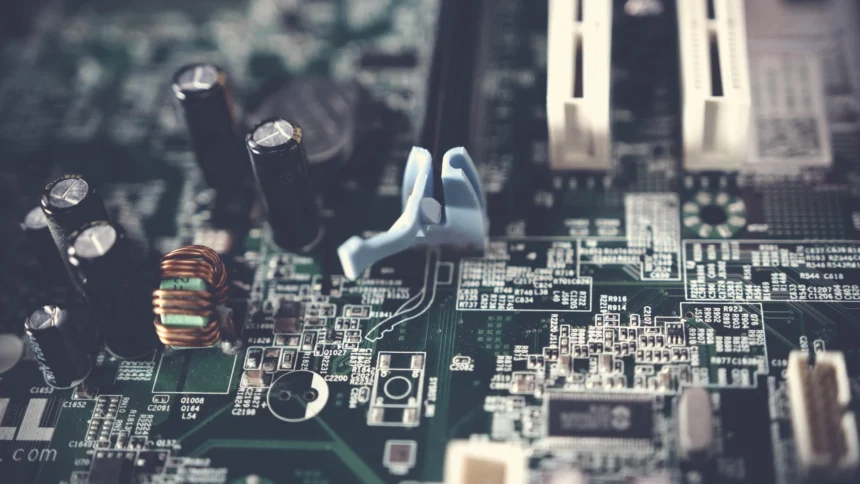
The global semiconductor shortage, which has rattled industries from automotive to consumer electronics over the past few years, is finally showing signs of easing. This comes as major semiconductor manufacturers ramp up production, invest in new facilities, and adopt advanced technologies to meet the increasing demand for chips worldwide. The effects of this shortage have been far-reaching, disrupting supply chains, delaying product launches, and inflating prices. However, recent developments in the semiconductor sector indicate a promising turnaround for both manufacturers and end consumers.
The Roots of the Semiconductor Shortage
The semiconductor shortage began around 2020, triggered by a combination of the COVID-19 pandemic, geopolitical tensions, and a surge in demand for electronic devices. Lockdowns and restrictions led to temporary factory closures, particularly in Asia, which disrupted the global supply chain. At the same time, the shift to remote work and online learning caused a spike in demand for laptops, smartphones, and networking equipment, putting additional pressure on chip production.
Automakers were also significantly affected. Modern vehicles rely on hundreds of chips for everything from engine management to safety systems. With production halted and chip supply constrained, many automotive companies had to slow down or temporarily suspend manufacturing, leading to shortages and increased vehicle prices.
Expansion of Chip Manufacturing Facilities
To combat these challenges, major semiconductor companies have invested heavily in expanding their production capabilities. Leading manufacturers are constructing new fabs (fabrication plants) and upgrading existing facilities to increase output. This expansion is crucial because semiconductor manufacturing is highly capital-intensive, with cutting-edge fabs costing billions of dollars and taking several years to become fully operational.
Countries like the United States, South Korea, Taiwan, and Japan are leading these efforts. The U.S., for example, has introduced incentives for domestic semiconductor production, encouraging companies to build new fabs on home soil. This not only boosts supply but also reduces dependency on overseas manufacturing, enhancing national security in critical technology sectors.
Technological Advancements Driving Production
In addition to expanding physical capacity, semiconductor manufacturers are adopting advanced production technologies to maximize efficiency. The latest nodes, such as 5nm and 3nm chips, allow more transistors to be packed into smaller spaces, enhancing performance while reducing material usage. Automation, artificial intelligence, and machine learning are also being integrated into chip fabrication to minimize errors, reduce waste, and accelerate production timelines.
These technological improvements are not only increasing the quantity of chips but also improving quality and consistency. This benefits industries that require high-performance semiconductors, such as artificial intelligence, data centers, and electric vehicles.

Impact on the Automotive Industry
The automotive sector, one of the hardest-hit industries during the shortage, is beginning to recover. Major automakers report improved chip availability, allowing them to ramp up vehicle production and meet consumer demand. Electric vehicles (EVs), in particular, benefit from increased semiconductor supply, as EVs require complex battery management and power electronics systems that are chip-intensive.
As production normalizes, prices for new vehicles are expected to stabilize. Dealers anticipate fewer supply-driven delays, and consumers may see improved availability of popular models. The easing shortage also provides opportunities for smaller automotive suppliers who rely on a steady flow of chips for their components.
Consumer Electronics and Gadgets
Consumer electronics are another sector experiencing relief. Smartphones, laptops, gaming consoles, and smart home devices saw production bottlenecks during the peak of the chip shortage. With factories now operating at higher capacities, product launches are proceeding as planned, and inventory levels are improving in retail stores worldwide.
The availability of advanced chips also fuels innovation. Manufacturers can integrate more sophisticated features into devices, such as faster processors, improved graphics capabilities, and enhanced AI functions. This accelerates technological progress and enhances the user experience for consumers across multiple product categories.
Economic Implications
The easing of the semiconductor shortage has broader economic implications. Supply chain stabilization helps prevent inflation in sectors dependent on electronics and vehicles. Businesses can plan production and inventory with greater certainty, avoiding costly delays and revenue losses. Additionally, increased semiconductor output supports employment in manufacturing, logistics, and technology sectors, contributing positively to global economic growth.
Governments that invested in domestic semiconductor capabilities are also seeing the benefits of their policies. By promoting local manufacturing, these countries reduce dependency on imports and strengthen their positions in strategic technology markets. This trend may encourage further investments and collaborations in the semiconductor industry.
Challenges Still Ahead
Despite the improvements, challenges remain. Semiconductor manufacturing is inherently complex, and any disruption in raw material supply, energy availability, or logistics can still impact production. Geopolitical tensions, particularly between major chip-producing nations, pose risks to the global supply chain.
Additionally, demand for semiconductors continues to grow, fueled by emerging technologies such as artificial intelligence, autonomous vehicles, the Internet of Things (IoT), and 5G networks. Meeting this rising demand will require continuous investment, innovation, and careful planning by manufacturers to avoid future shortages.
Future Outlook
Looking ahead, the semiconductor industry is poised for sustained growth. Expansions in manufacturing capacity, coupled with technological advancements, are likely to prevent severe shortages in the near term. As the supply chain stabilizes, industries that rely heavily on semiconductors—automotive, consumer electronics, industrial automation, and telecommunications—can focus on innovation and expansion without the fear of chip scarcity.
Consumers can expect more reliable product availability and potentially lower prices as competition increases and supply constraints ease. Moreover, the investments being made today set the stage for a robust semiconductor ecosystem that can support the next generation of technology breakthroughs.

Conclusion
The global semiconductor shortage, while impactful and disruptive over the past few years, is finally showing signs of relief. Expansion of chip manufacturing facilities, adoption of advanced production technologies, and supportive government policies are driving increased supply and stabilizing industries dependent on these critical components.
While challenges remain, the semiconductor industry’s proactive approach ensures that the world is better prepared to meet growing technological demands. From automakers and consumer electronics companies to governments and individual consumers, the easing shortage brings renewed optimism and opportunities for innovation, growth, and economic stability.
The road to a fully balanced semiconductor market may still be long, but current developments indicate that the industry is moving in the right direction. For businesses and consumers alike, this is welcome news that promises more predictable supply, improved technology, and a stronger foundation for future growth.