




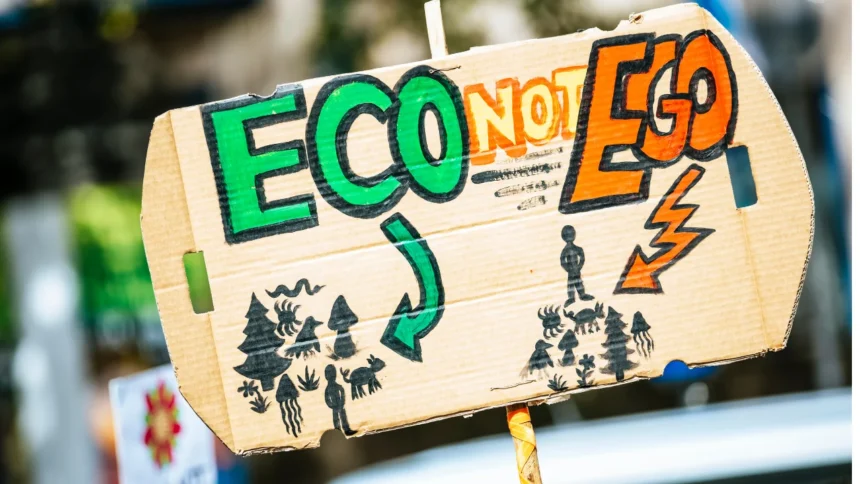
Climate change is no longer a distant threat or a theoretical concept discussed only by scientists. It is happening now, and its effects are visible across the globe—from rising temperatures and melting ice caps to extreme weather events and shifting ecosystems. Climate change is fundamentally transforming Earth’s environment, economies, and societies. Understanding its causes, impacts, and solutions is essential to securing a sustainable future for generations to come.
- What Is Climate Change?
- Major Causes of Climate Change
- 1. Burning Fossil Fuels
- 2. Deforestation
- 3. Industrial and Agricultural Activities
- 4. Urbanization and Population Growth
- Evidence of Climate Change
- Impact on Ecosystems and Wildlife
- Impact on Human Society
- Climate Change and Rising Sea Levels
- Global Efforts to Combat Climate Change
- Renewable Energy: A Key Solution
- The Role of Technology in Fighting Climate Change
- Individual Actions That Can Help
- The Future of Our Planet
- Conclusion
What Is Climate Change?
Climate change refers to long-term changes in Earth’s temperature, weather patterns, and climate systems. While Earth’s climate has always changed naturally over millions of years, today’s climate change is primarily caused by human activities.
The main driver is the increase in greenhouse gases such as carbon dioxide (CO₂), methane (CH₄), and nitrous oxide (N₂O). These gases trap heat in the atmosphere, creating a “greenhouse effect” that warms the planet.
According to the Intergovernmental Panel on Climate Change, human activities—especially burning fossil fuels, deforestation, and industrial processes—are responsible for the majority of global warming observed since the 20th century.
Major Causes of Climate Change
1. Burning Fossil Fuels
Fossil fuels like coal, oil, and natural gas are used for electricity, transportation, and industry. When burned, they release large amounts of CO₂ into the atmosphere.
Examples include:
- Cars and trucks using gasoline or diesel
- Power plants generating electricity
- Factories producing goods
These emissions are the largest contributor to global warming.
2. Deforestation
Forests play a critical role in absorbing carbon dioxide and regulating Earth’s climate. However, large-scale deforestation reduces the planet’s ability to absorb CO₂.
Trees act as carbon sinks, meaning they store carbon. When forests are cut down, this stored carbon is released into the atmosphere, accelerating climate change.
3. Industrial and Agricultural Activities
Modern agriculture produces methane from livestock and rice fields, while fertilizers release nitrous oxide. Industrial processes also emit greenhouse gases.
These emissions contribute significantly to warming the atmosphere.
4. Urbanization and Population Growth
As cities expand and populations grow, energy demand increases. More energy consumption leads to more fossil fuel burning, which increases greenhouse gas emissions.
Evidence of Climate Change
Scientific evidence from organizations such as NASA clearly shows that Earth’s climate is warming rapidly.
Key indicators include:
Rising Global Temperatures
Average global temperatures have increased by approximately 1.1°C since the late 19th century. Most warming has occurred in recent decades.
Melting Ice Caps and Glaciers
Polar regions such as the Arctic and Antarctica are experiencing rapid ice loss. This contributes to rising sea levels and threatens wildlife such as polar bears and penguins.
Rising Sea Levels
Melting ice and expanding warm water are causing sea levels to rise. This threatens coastal cities, islands, and millions of people worldwide.
Cities at risk include:
- Mumbai
- New York
- Jakarta
- Tokyo
Extreme Weather Events
Climate change is increasing the frequency and intensity of extreme weather events such as:
- Heatwaves
- Floods
- Hurricanes
- Droughts
- Wildfires
These disasters cause economic losses and threaten human lives.
Impact on Ecosystems and Wildlife
Climate change disrupts ecosystems and biodiversity.
Habitat Loss
Many species cannot adapt quickly enough to changing temperatures. Their habitats disappear or become unsuitable.
Examples include:
- Coral reefs dying due to ocean warming
- Arctic animals losing ice habitats
- Forest species affected by drought
Species Extinction
Climate change increases extinction risk. Scientists estimate that up to 1 million species could face extinction in the coming decades if warming continues.
Ocean Changes
Oceans absorb about 90% of excess heat caused by greenhouse gases. This leads to:
- Ocean warming
- Coral bleaching
- Ocean acidification
These changes threaten marine life and food chains.
Impact on Human Society
Climate change affects human health, food supply, water availability, and economic stability.
Food Security Threats
Climate change affects agriculture through:
- Droughts
- Floods
- Changing rainfall patterns
This reduces crop yields and threatens global food supply.
Water Scarcity
Many regions face water shortages due to changing rainfall and melting glaciers.
Millions of people may experience water stress in the future.
Health Risks
Climate change increases health risks such as:
- Heatstroke
- Respiratory diseases
- Spread of infectious diseases
Air pollution and extreme heat pose serious threats to human health.
Economic Impact
Climate disasters damage infrastructure, homes, and industries. Governments spend billions on recovery.
Climate change could reduce global GDP significantly if not addressed.
Climate Change and Rising Sea Levels
Sea level rise is one of the most dangerous consequences of climate change.
Effects include:
- Coastal flooding
- Loss of land
- Displacement of millions of people
Small island nations are especially vulnerable.
Climate refugees may increase dramatically in the coming decades.
Global Efforts to Combat Climate Change
Countries and organizations worldwide are working together to address climate change.
One of the most important agreements is the Paris Agreement, created under the United Nations.
The goals include:
- Limiting global warming to below 2°C
- Reducing greenhouse gas emissions
- Transitioning to renewable energy
Countries have committed to reducing emissions and promoting sustainability.
Renewable Energy: A Key Solution
Renewable energy sources produce little or no greenhouse gas emissions.
Major renewable energy sources include:
- Solar energy
- Wind energy
- Hydropower
- Geothermal energy
These energy sources are sustainable and environmentally friendly.
Switching to renewable energy can significantly reduce climate change.
The Role of Technology in Fighting Climate Change
Technology plays a major role in climate solutions.
Examples include:
Electric Vehicles (EVs)
Electric vehicles reduce emissions compared to gasoline cars.
They are becoming more popular worldwide.
Carbon Capture Technology
Carbon capture systems remove CO₂ from the atmosphere or industrial emissions.
This helps reduce greenhouse gases.
Smart Cities
Smart cities use technology to improve energy efficiency and reduce emissions.
Examples include:
- Smart transportation systems
- Energy-efficient buildings
- Renewable energy infrastructure
Individual Actions That Can Help
Every individual can contribute to fighting climate change.
Simple actions include:
- Using public transportation
- Saving electricity
- Using renewable energy
- Planting trees
- Reducing waste
- Recycling
Even small actions can make a big difference when millions of people participate.
Climate activists such as Greta Thunberg have helped raise awareness globally, inspiring individuals and governments to take action.
The Future of Our Planet
Climate change presents one of the greatest challenges humanity has ever faced. However, it is not too late to act.
The future depends on decisions made today.
Possible future scenarios include:
Negative Scenario (If No Action Taken)
- Severe global warming
- Massive sea level rise
- Food and water shortages
- Increased natural disasters
Positive Scenario (If Action Taken)
- Stabilized global temperatures
- Cleaner air and environment
- Sustainable energy systems
- Protected ecosystems
The difference depends on global cooperation and immediate action.
Conclusion
Climate change is transforming Earth’s future in profound ways. Rising temperatures, melting ice caps, extreme weather events, and ecosystem disruptions are clear signs of a changing planet. Human activities are the primary cause, but humans also hold the power to solve this problem.
Through renewable energy, sustainable practices, technological innovation, and global cooperation, humanity can reduce climate change and protect Earth’s future.
The choices made today will determine the world future generations inherit. Acting now is not just an environmental responsibility—it is essential for the survival, stability, and prosperity of our planet.