



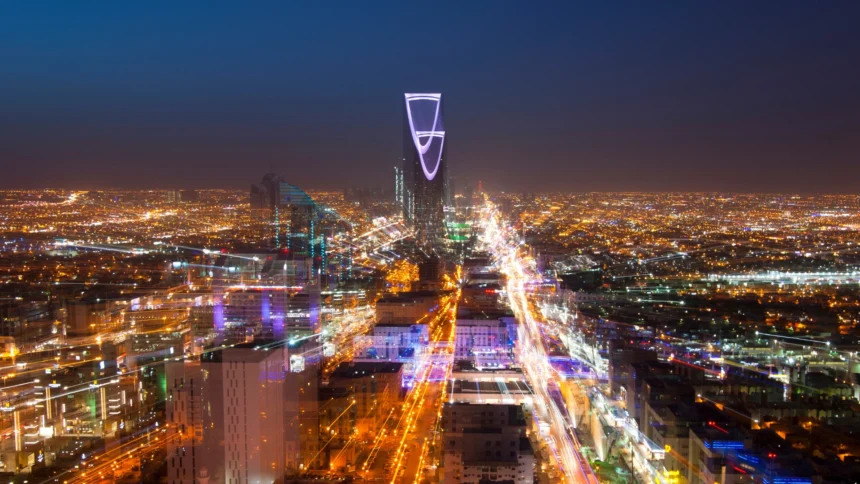
Saudi Arabia is accelerating its transformation into a global technology powerhouse under its ambitious Vision 2030 strategy. The Kingdom is strategically channeling investments into artificial intelligence, digital infrastructure, fintech, renewable energy, and smart city development to reduce its dependence on oil and diversify its economy. This large-scale transformation is reshaping the nation’s economic identity and positioning it as a leader in innovation across the Middle East.
- Vision 2030: A National Transformation Strategy
- Leadership Driving Innovation
- Artificial Intelligence as a Strategic Priority
- NEOM: A Futuristic Innovation Hub
- Digital Infrastructure Expansion
- Strengthening the Startup Ecosystem
- Role of the Public Investment Fund
- Digital Government Transformation
- Human Capital Development
- Renewable Energy and Green Technology
- Future Outlook
- Conclusion
Vision 2030: A National Transformation Strategy
Launched in 2016, Saudi Vision 2030 serves as the Kingdom’s long-term economic and social reform blueprint. The program focuses on building a sustainable, diversified economy driven by innovation, entrepreneurship, and private-sector growth.
Technology plays a central role in this vision. By developing advanced digital ecosystems, Saudi Arabia aims to create high-value industries, attract global investors, and generate employment opportunities for its growing population. The strategy emphasizes modernization across government services, financial systems, healthcare, education, and infrastructure.
Leadership Driving Innovation
The Vision 2030 strategy is strongly backed by Mohammed bin Salman, who has championed reforms aimed at modernizing the Saudi economy. Under his leadership, the government has implemented regulatory changes, encouraged foreign investment, and promoted innovation across multiple sectors.
This leadership commitment has accelerated project approvals, increased capital allocation to emerging technologies, and strengthened partnerships with international technology firms. The result is a rapidly evolving ecosystem designed to compete on a global scale.
Artificial Intelligence as a Strategic Priority
Artificial intelligence is one of the most critical pillars of Saudi Arabia’s tech expansion. The Kingdom has introduced national strategies focused on becoming a global AI leader by 2030. Investments are directed toward research institutions, AI startups, and technology partnerships that can drive real-world applications.
AI integration is expanding across industries such as healthcare diagnostics, predictive maintenance in energy, smart traffic management, cybersecurity systems, and digital government services. Universities and training centers are also developing specialized programs in data science, robotics, and machine learning to build a highly skilled workforce.
By embedding artificial intelligence into its economic framework, Saudi Arabia aims to enhance efficiency, productivity, and global competitiveness.
NEOM: A Futuristic Innovation Hub
A flagship initiative under Vision 2030 is NEOM, a next-generation smart city designed to operate on cutting-edge technologies and renewable energy. NEOM is envisioned as a fully connected urban ecosystem powered by artificial intelligence, autonomous mobility, and sustainable infrastructure.
The project represents more than urban development; it symbolizes Saudi Arabia’s commitment to innovation-driven growth. NEOM aims to attract global entrepreneurs, researchers, and technology investors who want to participate in shaping the cities of the future.
This ambitious development demonstrates how the Kingdom is integrating technology directly into long-term economic planning.
Digital Infrastructure Expansion
To support rapid technological advancement, Saudi Arabia has significantly upgraded its digital infrastructure. High-speed broadband networks, 5G connectivity, cloud computing capabilities, and data centers are expanding nationwide.
Improved digital infrastructure strengthens business operations, enables startup scalability, and enhances e-commerce growth. It also supports digital government initiatives that streamline administrative processes and improve service delivery.
Reliable connectivity and advanced IT frameworks are essential components of a modern economy, and Saudi Arabia is investing heavily to ensure it meets global standards.
Strengthening the Startup Ecosystem
Saudi Arabia’s startup ecosystem has experienced rapid growth in recent years. The government has introduced funding initiatives, accelerator programs, and simplified licensing frameworks to encourage entrepreneurship.
Fintech has emerged as one of the most dynamic sectors, with digital payments, online banking, and financial innovation gaining widespread adoption. Regulatory reforms have made it easier for startups to operate, attract funding, and scale regionally.
By fostering a supportive environment for innovation, Saudi Arabia is cultivating a new generation of tech-driven businesses capable of contributing to long-term economic growth.
Role of the Public Investment Fund
The Public Investment Fund plays a vital role in advancing the Kingdom’s technology ambitions. As one of the world’s largest sovereign wealth funds, it strategically invests in global and domestic tech companies across artificial intelligence, renewable energy, electric vehicles, and advanced manufacturing.
Through targeted investments, the fund strengthens Saudi Arabia’s position in emerging industries while building internal capabilities. These strategic moves help accelerate economic diversification and reduce dependence on traditional revenue sources.
Digital Government Transformation
Vision 2030 also emphasizes modernization of government services. Digital platforms now enable businesses and citizens to access licenses, permits, healthcare services, and legal processes online. These reforms improve efficiency, transparency, and convenience.
Smart governance initiatives reduce bureaucratic barriers and enhance the overall business climate. This digital shift not only improves public services but also strengthens investor confidence.
Human Capital Development
Technology investment alone cannot drive transformation without skilled talent. Saudi Arabia is investing in education reform, vocational training, and international scholarship programs to prepare its workforce for a digital future.
Programs focused on coding, cybersecurity, data analytics, and artificial intelligence are equipping young Saudis with high-demand skills. Increased workforce participation, including greater inclusion of women in technology sectors, further strengthens the country’s innovation ecosystem.
By developing human capital, Saudi Arabia ensures sustainable growth aligned with its long-term goals.
Renewable Energy and Green Technology
Technology expansion under Vision 2030 also aligns with sustainability objectives. Saudi Arabia is investing in renewable energy projects, smart grids, and green hydrogen initiatives to diversify energy sources.
By integrating clean energy solutions with advanced digital systems, the Kingdom is creating new economic sectors while addressing environmental challenges. Green technology development supports both economic diversification and global sustainability commitments.
Future Outlook
Saudi Arabia’s expanded technology investment under Vision 2030 reflects a clear and determined strategy to build a future-ready economy. The combination of strong leadership, large-scale funding, infrastructure development, and talent cultivation provides a solid foundation for long-term success.
While challenges remain in building a globally competitive tech ecosystem, the Kingdom’s momentum continues to grow. If current trends persist, Saudi Arabia is likely to emerge as one of the leading technology hubs in the region by 2030.
Conclusion
Saudi Arabia’s commitment to technology under Vision 2030 marks a historic transformation. By prioritizing artificial intelligence, smart infrastructure, startup development, and renewable energy, the Kingdom is redefining its economic identity.
Through strategic investments and bold initiatives, Saudi Arabia is moving beyond oil dependency toward a diversified, innovation-driven future. Vision 2030 is not simply an economic reform plan—it is a national transformation that positions the Kingdom at the forefront of global technological advancement.