



Introduction
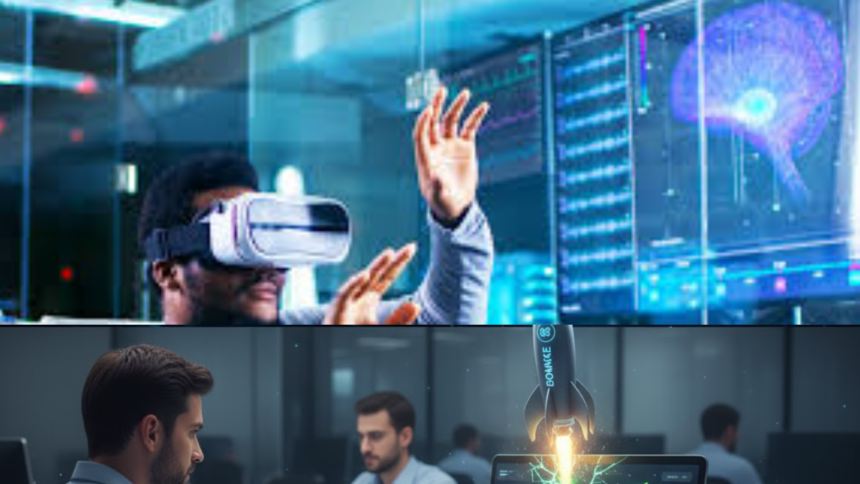
Technology is evolving at an incredible pace, and one of the most exciting developments is XROM, or Extended Reality and Spatial Computing. XROM is an umbrella concept that includes Virtual Reality (VR), Augmented Reality (AR), and Spatial Computing. These technologies are transforming how humans interact with digital content, blending the physical and virtual worlds into a seamless experience.
- Introduction
- What is XROM?
- Virtual Reality: Immersing Users in Digital Worlds
- Augmented Reality: Enhancing the Real World
- Spatial Computing: The Brain Behind XROM
- Mixed Reality: Blending Physical and Digital Worlds
- Key Technologies Powering XROM
- 1. Artificial Intelligence
- 2. 5G and High-Speed Internet
- 3. Advanced Sensors and Cameras
- 4. Cloud Computing
- 5. Graphics Processing Units (GPUs)
- Real-World Applications of XROM
- 1. Gaming and Entertainment
- 2. Education and Learning
- 3. Healthcare
- 4. Business and Remote Collaboration
- 5. Real Estate and Architecture
- 6. Manufacturing and Industry
- The Rise of Spatial Computing Platforms
- The Role of XROM in the Metaverse
- Benefits of XROM
- Challenges and Limitations
- The Future of XROM
- Conclusion
From gaming and education to healthcare and business, XROM is reshaping industries and creating entirely new ways to work, learn, and communicate. This article explores the future of XROM, its core technologies, real-world applications, and its potential impact on society.
What is XROM?
XROM stands for Extended Reality and Spatial Computing, a combination of immersive technologies that enhance or replace real-world environments with digital elements.
It includes:
- Virtual Reality (VR) – Fully immersive digital environments
- Augmented Reality (AR) – Digital elements overlaid on the real world
- Mixed Reality (MR) – Interaction between physical and digital objects
- Spatial Computing – Technology that allows computers to understand and interact with physical space
These technologies allow users to interact with digital environments naturally using gestures, movement, voice, and vision.
Virtual Reality: Immersing Users in Digital Worlds
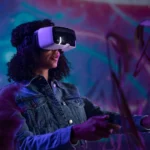
Virtual Reality creates fully immersive environments where users can interact with computer-generated worlds. Using VR headsets, users can explore virtual spaces as if they were physically present.
Key Features of VR
- Complete immersion in digital environments
- Realistic simulations for training and education
- Interactive gaming experiences
- Virtual social interaction
Applications of VR
Gaming:
VR gaming offers immersive experiences that traditional gaming cannot match. Players can physically move, explore virtual worlds, and interact with objects naturally.
Education and Training:
Students can explore historical locations, space environments, and scientific simulations. Professionals such as pilots, surgeons, and engineers use VR for realistic training.
Healthcare:
VR helps doctors train for complex surgeries and assists in therapy for mental health conditions such as anxiety and PTSD.
Business and Remote Work:
Virtual offices allow teams to collaborate in shared digital environments regardless of physical location.
Augmented Reality: Enhancing the Real World
Augmented Reality overlays digital information onto the real world using smartphones, tablets, or AR glasses.
Key Features of AR
- Combines digital and physical environments
- Works on mobile devices and smart glasses
- Enhances real-world interaction
- Provides real-time information
Applications of AR
Retail and Shopping:
Customers can try virtual clothes, furniture, or accessories before buying.
Navigation:
AR can display directions directly on streets and buildings.
Education:
Students can interact with 3D models of objects, improving understanding and engagement.
Industrial Applications:
Workers can receive real-time instructions and guidance during complex tasks.
Spatial Computing: The Brain Behind XROM
Spatial Computing allows computers to understand physical environments using sensors, cameras, and artificial intelligence.
It enables:
- Object recognition
- Motion tracking
- Environmental mapping
- Gesture recognition
This allows users to interact naturally with digital objects as if they exist in real space.
Spatial computing is essential for creating realistic and responsive immersive experiences.
Mixed Reality: Blending Physical and Digital Worlds
Mixed Reality combines elements of VR and AR, allowing digital objects to interact with the real world.
For example:
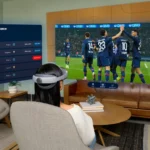
- Digital screens floating in your room
- Virtual assistants appearing beside you
- Interactive 3D objects in real space
Mixed Reality creates more natural and powerful interactions than traditional screens.
Key Technologies Powering XROM
Several advanced technologies enable XROM experiences:
1. Artificial Intelligence
AI enables object detection, environment understanding, and intelligent interaction.
2. 5G and High-Speed Internet
Fast internet allows real-time data processing and smooth immersive experiences.
3. Advanced Sensors and Cameras
Sensors track movement, gestures, and surroundings.
4. Cloud Computing
Cloud computing enables powerful processing without requiring expensive hardware.
5. Graphics Processing Units (GPUs)
GPUs create realistic visuals and immersive environments.
Real-World Applications of XROM
1. Gaming and Entertainment
Gaming is one of the biggest industries benefiting from XROM. Immersive worlds, realistic environments, and social virtual spaces are transforming entertainment.
2. Education and Learning
Students can learn through immersive experiences rather than traditional textbooks. This improves engagement and understanding.
3. Healthcare
Doctors use XROM for surgical training, diagnosis, therapy, and patient treatment.
4. Business and Remote Collaboration
Virtual offices and meeting spaces improve collaboration between global teams.
5. Real Estate and Architecture
Users can explore buildings and homes before construction is completed.
6. Manufacturing and Industry
Workers receive visual instructions and real-time assistance, improving productivity and reducing errors.
The Rise of Spatial Computing Platforms
Spatial computing platforms are becoming the next generation of computing after smartphones and computers.
Future devices will include:
- AR glasses replacing smartphones
- VR headsets for work and entertainment
- Smart environments with interactive digital elements
These platforms will change how people interact with technology daily.
The Role of XROM in the Metaverse
XROM is the foundation of the Metaverse, a persistent digital world where users can interact, work, and socialize.
In the future, people may:
- Attend virtual meetings
- Work in digital offices
- Shop in virtual stores
- Socialize in immersive environments
The Metaverse will combine VR, AR, and spatial computing to create new digital ecosystems.
Benefits of XROM
XROM offers several advantages:
- More immersive digital experiences
- Improved learning and training
- Better remote collaboration
- Enhanced productivity
- New business opportunities
It also reduces physical limitations by allowing people to interact digitally from anywhere.
Challenges and Limitations
Despite its potential, XROM faces challenges:
High Hardware Costs
VR and AR devices are still expensive.
Technical Limitations
Battery life, processing power, and comfort need improvement.
Privacy and Security
Devices collect large amounts of personal and environmental data.
Adoption Barriers
Many users are not familiar with immersive technologies.
The Future of XROM
The future of XROM is extremely promising. As technology improves, devices will become more affordable, powerful, and comfortable.
Future trends include:
- Lightweight AR glasses replacing smartphones
- More realistic virtual environments
- AI-powered immersive experiences
- Advanced spatial computing platforms
- Fully immersive virtual workplaces
XROM will become a standard part of everyday life.
Conclusion
XROM represents the next evolution of digital interaction. By combining Virtual Reality, Augmented Reality, Mixed Reality, and Spatial Computing, XROM is transforming how humans interact with technology.
It is reshaping industries such as gaming, healthcare, education, business, and entertainment. As hardware improves and technology advances, immersive experiences will become more common and accessible.
In the coming years, XROM will redefine digital experiences, creating a world where physical and digital realities merge seamlessly. This transformation will not only change technology but also reshape how humans live, work, and connect in the digital age.