



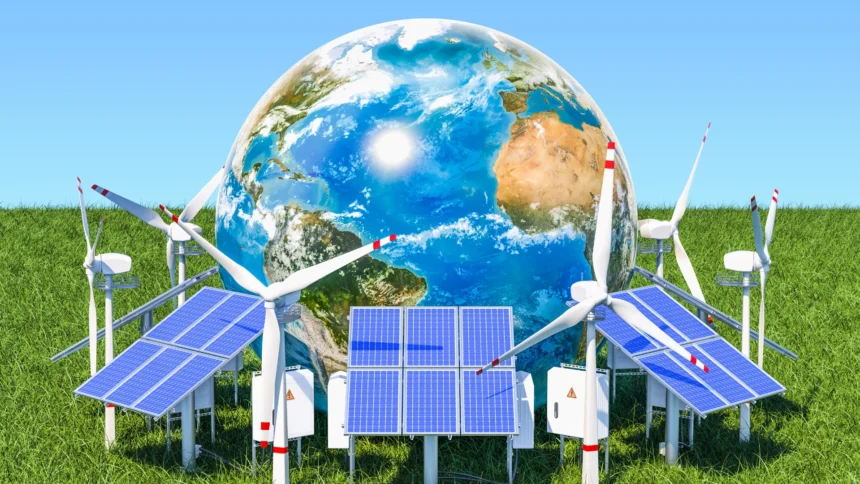
In recent years, the urgency to combat climate change has propelled renewable energy to the forefront of technological innovation. With governments, corporations, and consumers increasingly focused on reducing carbon footprints, renewable energy tech startups are emerging as key players in driving global sustainability efforts. These agile and innovative companies are not only reshaping the energy landscape but also creating new economic opportunities while addressing the pressing challenges of environmental conservation.
The Rise of Renewable Energy Startups
Traditionally, the energy sector has been dominated by large, established corporations with deep-rooted infrastructures and significant regulatory oversight. However, the rapid evolution of clean technology, coupled with widespread public and governmental support for sustainable solutions, has opened the door for startups to innovate and scale at unprecedented rates. These startups are leveraging cutting-edge technologies such as solar photovoltaics, wind turbines, energy storage solutions, and smart grids to disrupt conventional energy production and distribution systems.
One of the most significant drivers behind the growth of renewable energy startups is the declining cost of clean energy technologies. Solar panel manufacturing, for example, has become significantly cheaper over the last decade, allowing startups to deploy systems at competitive prices. Similarly, advancements in battery storage technology have made it feasible to store excess energy generated from intermittent sources like solar and wind, ensuring a reliable supply even during periods of low production.
Innovative Technologies Transforming Energy
Renewable energy startups are pioneering a variety of technological innovations that are crucial for global sustainability:
- Solar and Photovoltaic Advancements
Modern solar technology has evolved far beyond traditional panels. Startups are developing flexible solar cells, bifacial panels, and high-efficiency photovoltaic materials that capture more sunlight and convert it into energy more effectively. These innovations enable solar installations on diverse surfaces, including building facades, windows, and even portable devices, broadening the adoption of clean energy solutions. - Wind Energy Innovations
Wind energy remains one of the most scalable forms of renewable power. Startups are designing advanced turbines with higher energy conversion rates, minimal noise pollution, and adaptive blade designs for varying wind conditions. Offshore wind farms, in particular, are gaining traction, offering vast energy potential without competing for land resources. - Energy Storage and Battery Solutions
Energy storage is a cornerstone of a reliable renewable energy infrastructure. Startups are developing next-generation batteries that provide longer lifespans, faster charging times, and safer chemical compositions. Innovations in solid-state batteries, flow batteries, and other storage solutions are ensuring that renewable energy is not just abundant but also dependable. - Smart Grids and Energy Management Systems
Efficient energy distribution is as critical as production. Startups are creating intelligent grid systems that balance supply and demand, reduce energy waste, and integrate diverse renewable sources seamlessly. These smart grids use predictive analytics, IoT-enabled sensors, and AI-driven algorithms to optimize energy flow, enhancing both efficiency and sustainability. - Hydrogen and Alternative Fuels
Hydrogen, often referred to as the fuel of the future, is gaining attention among startups focused on zero-emission solutions. Companies are exploring green hydrogen production through electrolysis powered by renewable electricity. Hydrogen fuel can power transportation, industrial processes, and even electricity generation without producing harmful emissions.
Economic and Environmental Impact
The rise of renewable energy startups has far-reaching economic and environmental implications. On the economic front, these companies are generating new job opportunities across engineering, research, manufacturing, and installation sectors. By fostering innovation, startups are also attracting investments and venture capital, fueling further growth in the clean energy market.
Environmentally, renewable energy startups are helping to reduce greenhouse gas emissions and combat climate change. By replacing fossil fuels with cleaner alternatives, they contribute to improved air quality, decreased water pollution, and preservation of natural habitats. Moreover, many startups are adopting circular economy principles, designing products that are recyclable, durable, and resource-efficient, further enhancing their sustainability credentials.
Challenges Faced by Startups
Despite their promise, renewable energy startups face several challenges. High initial capital requirements, regulatory hurdles, and competition from established energy giants can slow growth and market penetration. Additionally, integrating new technologies into existing energy grids requires extensive collaboration with governments, utilities, and infrastructure providers.
Another critical challenge is public awareness and adoption. While renewable energy is becoming increasingly popular, convincing consumers and businesses to transition from conventional energy sources can be slow. Startups must invest in education, outreach, and marketing strategies to demonstrate the reliability, cost-effectiveness, and environmental benefits of their solutions.
Global Collaboration and Policy Support
Government policies and international agreements play a pivotal role in supporting renewable energy startups. Incentives such as tax breaks, subsidies, and grants enable startups to scale operations and attract investment. Furthermore, global initiatives like carbon neutrality targets, renewable energy mandates, and climate action frameworks provide a favorable ecosystem for innovation.
Collaborations between startups, research institutions, and established corporations are also driving progress. Joint ventures, pilot programs, and shared research initiatives allow startups to test new technologies at scale while benefiting from industry expertise. Such partnerships accelerate the adoption of sustainable solutions and enhance the resilience of energy systems worldwide.
Future Outlook
The future of renewable energy tech startups is promising, with innovation and sustainability at the core of their growth strategies. As technology continues to advance, these startups are likely to expand into emerging areas such as:
- Decentralized Energy Systems: Community-based microgrids and peer-to-peer energy trading platforms will empower local populations to produce and share clean energy.
- AI-Driven Optimization: Artificial intelligence will play a larger role in predicting energy demand, managing distribution, and optimizing energy consumption patterns.
- Integration with Electric Mobility: Startups will increasingly integrate renewable energy with electric vehicles, creating a sustainable transportation ecosystem powered by clean electricity.
- Carbon Capture and Utilization: Beyond energy production, startups may explore solutions to capture carbon emissions and convert them into usable products, further reducing the environmental impact.
The combination of technological innovation, economic incentives, and global collaboration positions renewable energy startups as leaders in the fight against climate change. Their work is critical not only for achieving sustainability goals but also for creating a more resilient, equitable, and low-carbon global energy system.
Conclusion
Renewable energy tech startups are no longer fringe players in the energy sector—they are catalysts for transformation. By embracing innovation, efficiency, and sustainability, these companies are reshaping how the world produces, stores, and consumes energy. From solar and wind power to energy storage and smart grids, startups are delivering solutions that reduce environmental impact while driving economic growth.
As the global community confronts the urgent realities of climate change, supporting renewable energy startups becomes imperative. Their ability to innovate quickly, adapt to changing circumstances, and develop scalable clean energy solutions positions them as essential contributors to a sustainable future. The rise of these startups signals not just a shift in energy production but a profound transformation in how humanity approaches sustainability, ensuring a cleaner, greener planet for generations to come.