



Introduction
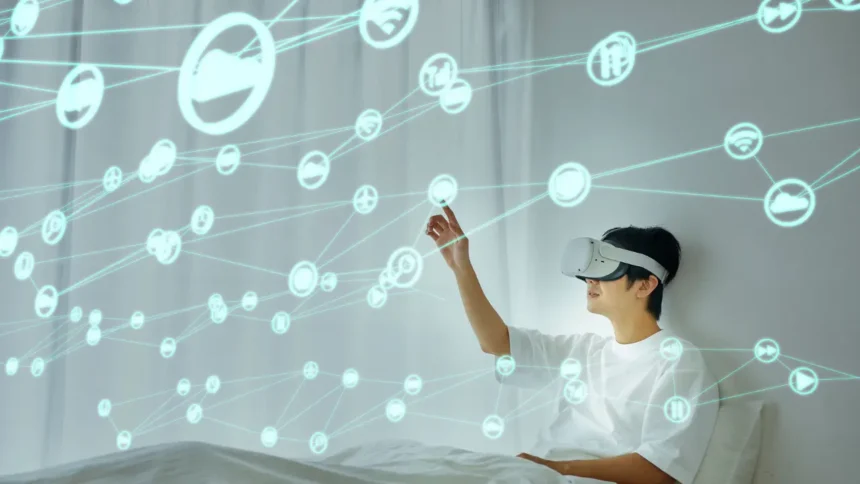
Extended Reality (XR), also known as XROM, is a powerful technology that combines Virtual Reality (VR), Augmented Reality (AR), and Spatial Computing to create immersive digital experiences. XR allows users to interact with digital content in ways that feel natural and real. Instead of just viewing information on a screen, users can enter virtual worlds, interact with digital objects, and blend digital elements into their physical environment.
- Introduction
- What is Extended Reality (XR)?
- Virtual Reality (VR): A Fully Digital Experience
- Augmented Reality (AR): Enhancing the Real World
- Spatial Computing: The Future of Human-Computer Interaction
- Applications of Extended Reality in Different Industries
- 1. Gaming Industry
- 2. Healthcare Industry
- 3. Education Sector
- 4. Business and Workspaces
- 5. Manufacturing and Engineering
- Benefits of Extended Reality
- Challenges of Extended Reality
- Future of Extended Reality
- Conclusion
Major technology companies like Apple, Microsoft, and Meta Platforms are investing heavily in XR devices and platforms, showing that this technology will play a major role in the future of computing.
What is Extended Reality (XR)?
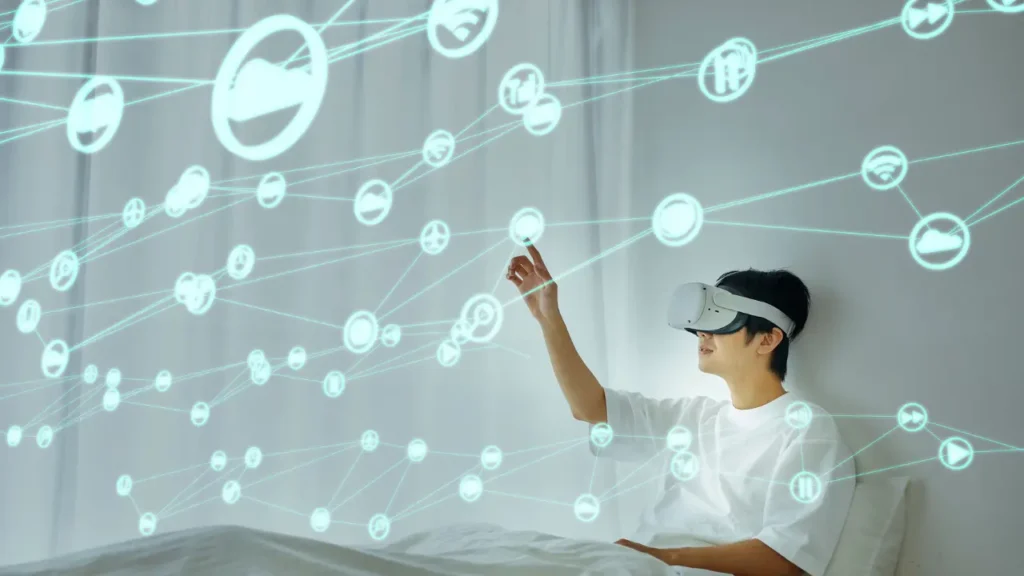
Extended Reality is an umbrella term that includes three main technologies:
- Virtual Reality (VR)
- Augmented Reality (AR)
- Spatial Computing
These technologies work together to create immersive and interactive digital environments.
XR enhances how humans interact with machines, information, and digital content.
Virtual Reality (VR): A Fully Digital Experience
Virtual Reality creates a completely digital environment that replaces the real world. Users wear VR headsets to enter virtual environments where they can look around, move, and interact with objects.
Applications of VR:
- Gaming and entertainment
- Military and flight training
- Medical simulations
- Virtual tourism
- Education and training
VR is especially useful for training because it allows users to practice in safe, controlled environments.
Augmented Reality (AR): Enhancing the Real World
Augmented Reality adds digital elements to the real world instead of replacing it. Users can see digital objects, text, or images overlaid on their physical environment using smartphones, tablets, or AR glasses.
Examples of AR:
- Navigation systems showing directions
- Virtual furniture placement
- Retail virtual try-on features
- Industrial maintenance assistance
AR improves productivity by providing real-time information.
Spatial Computing: The Future of Human-Computer Interaction
Spatial computing allows computers to understand physical space and interact with users naturally. It uses sensors, cameras, artificial intelligence, and 3D mapping technology.
Spatial computing enables:
- Gesture-based controls
- Voice interaction
- Real-world object tracking
- Interactive 3D environments
This technology allows users to interact with computers without keyboards or traditional screens.
Applications of Extended Reality in Different Industries
1. Gaming Industry
XR is transforming gaming by creating immersive and interactive experiences. Players can enter virtual worlds and interact naturally with the environment.
This creates more realistic and engaging gameplay.
2. Healthcare Industry
Doctors use XR for medical training, surgery simulations, and therapy. XR helps medical professionals learn complex procedures safely.
XR also helps patients recover through virtual therapy programs.
3. Education Sector
XR makes learning more interactive and engaging. Students can explore virtual environments, conduct virtual experiments, and understand complex topics easily.
This improves knowledge retention and learning efficiency.
4. Business and Workspaces
Companies use XR for virtual meetings, employee training, and product design. Remote teams can collaborate in virtual environments as if they were physically present.
XR improves productivity and reduces operational costs.
5. Manufacturing and Engineering
Engineers use XR to design, test, and visualize products before manufacturing. This reduces errors and improves efficiency.
Benefits of Extended Reality
Extended Reality offers many advantages:
- Improved learning and training
- Better user experience
- Increased productivity
- Enhanced remote collaboration
- Reduced operational costs
- Safer training environments
XR allows humans to interact with technology in more natural and efficient ways.
Challenges of Extended Reality
Despite its benefits, XR still faces some challenges:
- High hardware costs
- Limited accessibility
- Technical limitations
- Privacy and security concerns
However, these challenges are gradually being solved as technology improves.
Future of Extended Reality
The future of XR is very promising. XR devices are becoming more affordable, powerful, and accessible. In the coming years, XR may replace traditional screens such as computers, smartphones, and televisions.
XR will play a major role in:
- Remote work
- Education
- Healthcare
- Entertainment
- Communication
Spatial computing may become the primary way humans interact with digital systems.
Conclusion
Extended Reality, including Virtual Reality, Augmented Reality, and Spatial Computing, is transforming how humans interact with technology. XR is already improving gaming, healthcare, education, and business by creating immersive and interactive digital experiences.
As technology continues to advance, XR will become more powerful, affordable, and widely used. In the future, Extended Reality may replace traditional computing methods and create a world where digital and physical realities merge seamlessly.
Extended Reality is not just a new technology—it represents the future of human-computer interaction and the next evolution of the digital world.