


Android XR OS, Galaxy XR, Project Aura, AI glasses, spatial computing, smartglasses, immersive workspace, XR development, Google Gemini
🚀 The Android Show: XR Edition — A Glimpse into the Future
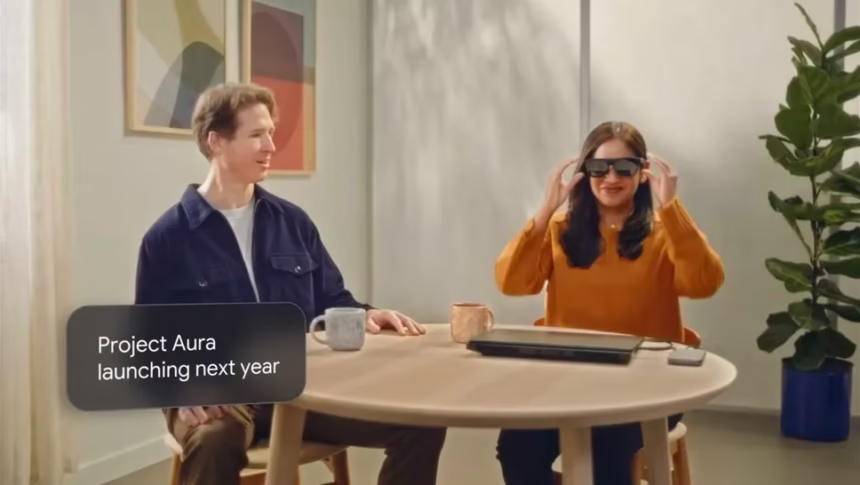
At the recent Android Show: XR Edition, Google unveiled its roadmap for spatial computing, showcasing upgrades to the Galaxy XR headset and teasing the arrival of Project Aura—a new generation of AI-powered smartglasses.
This isn’t just about headsets anymore. It’s about ambient computing, where XR blends seamlessly into your daily life—no screens required.
🟢 Galaxy XR Gets Smarter
Samsung’s Galaxy XR headset, powered by Android XR OS, is evolving into a multitasking powerhouse:
- 🖥️ Immersive Workspace: Think multiple floating windows, productivity apps, and real-time collaboration
- 🎮 Entertainment Overlays: Watch, play, and interact in mixed reality
- 🧠 Gemini AI Integration: Context-aware assistance, real-world search, and smart suggestions
🕶️ Project Aura: AI Glasses for the Real World
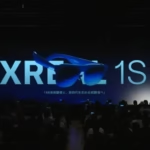
Google and XREAL are co-developing Project Aura, a new class of optical see-through smartglasses:
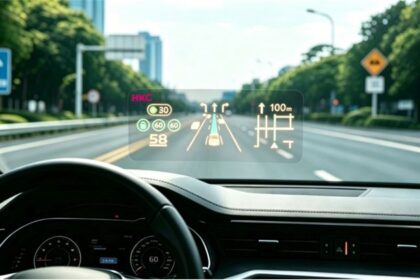
- 🔍 HUD-style overlays: Real-time info layered on your environment
- 🗣️ Voice + gesture control: No screens, no controllers—just natural interaction
- 🧭 Spatial memory: Track personal items, locations, and context with AI
These glasses aim to replace your phone screen, offering a more intuitive, heads-up experience.
🧰 Developer Preview 3: Tools for the XR Future
Google also launched Developer Preview 3 for Android XR OS, giving devs access to:
- 📦 New APIs for spatial anchoring, gesture input, and AI overlays
- 🧪 Experimental features for smartglasses and hybrid XR devices
- 🛠️ Cross-device compatibility with Snapdragon Spaces and Galaxy XR
🔮 Why It Matters
This marks a shift from device-centric XR to ambient, AI-first computing. Google’s vision is clear: XR should be contextual, invisible, and always available—whether you’re wearing a headset or a pair of smartglasses.