





The United Arab Emirates (UAE) has rapidly emerged as a dominant force in artificial intelligence (AI) and smart city innovation across the Middle East and beyond. Through visionary leadership, strategic investments, and an ambitious digital transformation agenda, the UAE is setting new benchmarks for how technology can enhance governance, infrastructure, and quality of life. As nations worldwide race to adopt advanced technologies, the UAE stands out as a regional pioneer and a global contender in AI-driven development.
- A National Vision Focused on Innovation
- Smart Cities Transforming Urban Life
- AI Integration Across Key Sectors
- Building a Strong AI Ecosystem
- Investment and Economic Diversification
- Sustainability and Smart Infrastructure
- Ethical AI and Governance
- Global Recognition and Leadership
- Challenges and Future Outlook
- Conclusion
A National Vision Focused on Innovation
The UAE’s journey toward becoming a technology powerhouse is deeply rooted in long-term national strategies. The government was among the first in the world to appoint a Minister of State for Artificial Intelligence, signaling its serious commitment to AI integration across sectors. The UAE Artificial Intelligence Strategy 2031 outlines the country’s goal of becoming a global leader in AI by leveraging innovation to boost economic growth, enhance government performance, and improve community well-being.
This forward-looking vision aligns with broader development agendas that prioritize diversification away from oil dependency. By embedding AI into economic planning, the UAE ensures sustainable growth built on knowledge, research, and advanced technology.
Smart Cities Transforming Urban Life
A major pillar of the UAE’s digital transformation is the development of smart cities. Cities like Dubai and Abu Dhabi are redefining urban living through technology-driven solutions that improve efficiency, sustainability, and citizen engagement.
Smart city initiatives focus on integrating AI, Internet of Things (IoT), big data analytics, and blockchain technologies into urban infrastructure. These technologies allow real-time data collection and analysis, enabling authorities to make informed decisions and optimize services.
For example, intelligent traffic management systems reduce congestion by analyzing vehicle movement patterns. Smart energy grids monitor consumption and improve efficiency, reducing waste and environmental impact. Public safety systems use AI-powered surveillance and predictive analytics to enhance security across communities.
By embracing smart city frameworks, the UAE ensures that urban growth remains sustainable while improving the overall quality of life for residents and visitors.
AI Integration Across Key Sectors
Artificial intelligence is no longer limited to experimental projects in the UAE. It is actively transforming essential sectors of the economy and public services.
Healthcare
In healthcare, AI-driven tools assist doctors in diagnosing diseases with higher accuracy and speed. Predictive analytics help healthcare providers anticipate patient needs, while digital health records streamline medical processes. AI is also being used to enhance medical research, drug development, and personalized treatment plans.
Transportation
The UAE has made significant advancements in smart mobility solutions. Autonomous vehicle trials, AI-powered traffic systems, and smart public transport networks are shaping the future of transportation. These innovations reduce travel time, improve road safety, and lower carbon emissions.
Education
Education systems in the UAE are increasingly incorporating AI-based platforms to personalize learning experiences. Adaptive learning technologies analyze student performance and tailor content accordingly. Additionally, coding, robotics, and AI-related subjects are being integrated into school and university curricula to prepare students for future careers.
Government Services
Government agencies leverage AI to enhance service delivery and administrative efficiency. Chatbots and virtual assistants provide 24/7 support to citizens, while automated systems process documentation quickly and accurately. Data-driven governance allows policymakers to design evidence-based solutions for social and economic challenges.

Building a Strong AI Ecosystem
The UAE understands that technological leadership requires a supportive ecosystem. To achieve this, the country has invested heavily in innovation hubs, research centers, and startup incubators. These platforms encourage entrepreneurship and provide funding opportunities for AI-driven startups.
Free zones and innovation districts offer tax incentives and infrastructure support to attract global technology companies. By fostering collaboration between government entities, private firms, and academic institutions, the UAE creates a dynamic environment for innovation.
Universities and research institutes play a vital role in advancing AI capabilities. Specialized programs in machine learning, data science, and robotics are equipping students with practical skills needed in the digital economy. International partnerships further strengthen knowledge exchange and research excellence.
Investment and Economic Diversification
Artificial intelligence is becoming a major contributor to the UAE’s economic diversification efforts. By investing in digital infrastructure and AI-powered industries, the country reduces reliance on traditional revenue streams.
AI-driven solutions improve operational efficiency across industries such as finance, energy, logistics, and retail. Predictive maintenance systems reduce downtime in industrial operations, while intelligent financial platforms enhance fraud detection and risk management.
The growth of AI startups also generates employment opportunities for skilled professionals. As the AI sector expands, it contributes significantly to GDP growth and positions the UAE as a regional innovation hub.
Sustainability and Smart Infrastructure
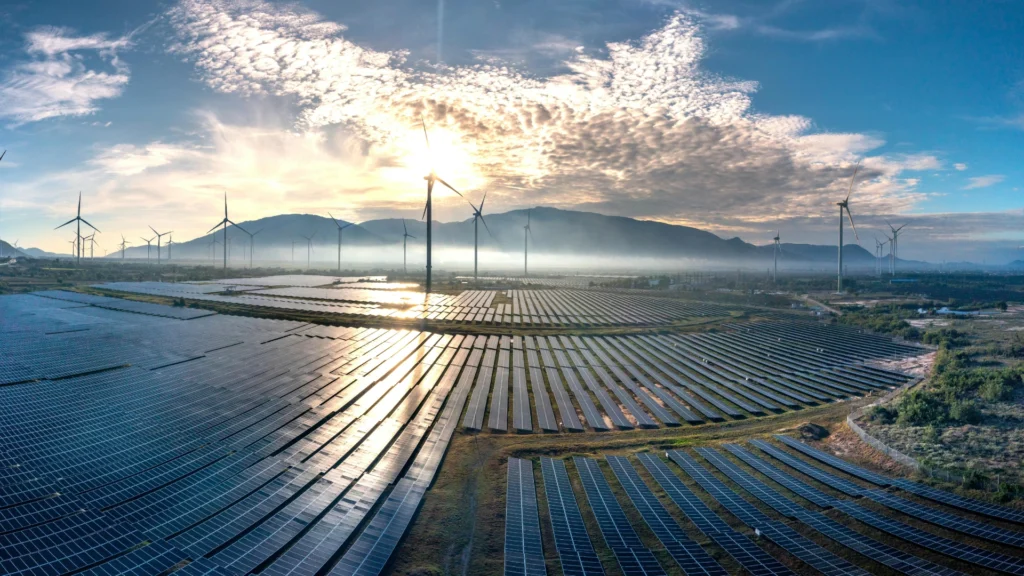
Sustainability is a key component of the UAE’s smart city vision. Advanced technologies are being used to monitor environmental conditions, manage water resources, and reduce energy consumption. Smart buildings equipped with automated systems optimize lighting, cooling, and heating to minimize energy waste.
Renewable energy projects integrate AI to enhance performance and reliability. Data analytics help authorities track environmental metrics and develop policies aligned with sustainability goals.
By combining smart technology with green initiatives, the UAE demonstrates how innovation can support environmental responsibility.
Ethical AI and Governance
As AI adoption grows, the UAE emphasizes ethical standards and responsible use. Transparent governance frameworks ensure that AI systems operate fairly and without bias. Data protection regulations safeguard personal information, while accountability mechanisms build public trust.
The government promotes the development of explainable AI systems, ensuring that automated decisions can be understood and justified. This approach strengthens confidence in digital transformation efforts and ensures technology benefits society as a whole.
Global Recognition and Leadership
The UAE’s achievements in AI and smart cities have earned international recognition. The country frequently ranks among leading nations in digital readiness and innovation adoption. Hosting global technology events and conferences further reinforces its position as a thought leader in the region.
By continuously investing in research, talent development, and infrastructure, the UAE maintains a competitive edge in the rapidly evolving AI landscape.
Challenges and Future Outlook
Despite its strong position, the UAE faces challenges such as global competition for AI talent and the need for continuous regulatory adaptation. However, proactive policymaking and sustained investment provide a solid foundation for overcoming these obstacles.
Looking ahead, the UAE aims to deepen AI integration across emerging sectors such as space technology, advanced manufacturing, and cybersecurity. The continued collaboration between public and private sectors will be crucial in driving innovation forward.
Conclusion
The United Arab Emirates has firmly established itself as a regional leader in artificial intelligence and smart city development. Through visionary leadership, strategic planning, and significant investment in technology and talent, the country has created a robust ecosystem that supports sustainable growth and innovation.
By embedding AI into healthcare, transportation, education, governance, and infrastructure, the UAE demonstrates how technology can transform societies. As digital transformation accelerates globally, the UAE’s commitment to innovation ensures it remains at the forefront of AI advancement and smart urban development for years to come.