



Introduction
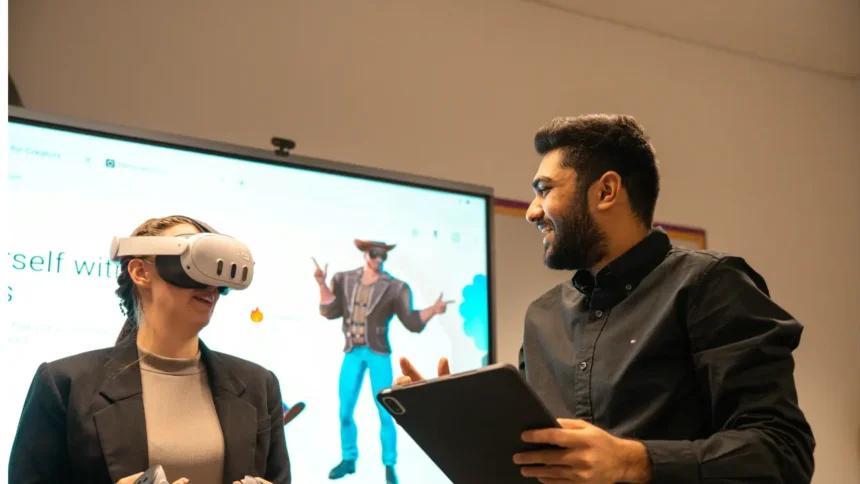
Spatial computing is one of the most advanced forms of Extended Reality (XR), combining Virtual Reality (VR), Augmented Reality (AR), Artificial Intelligence, and sensors to create interactive digital environments. Unlike traditional computing, which relies on screens, spatial computing allows users to interact with digital content in physical space using gestures, voice, and movement.
Major technology companies like Apple and Meta Platforms are developing advanced spatial computing devices, showing that this technology will shape the future of computing.
What is Spatial Computing?
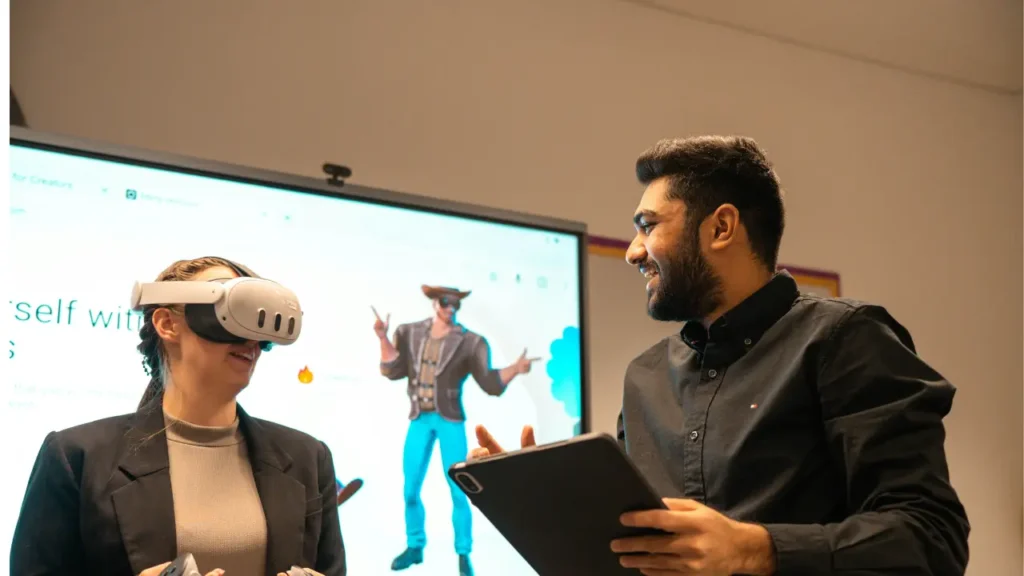
Spatial computing is a technology that allows computers to understand and interact with the physical world. It uses cameras, sensors, artificial intelligence, and 3D mapping to create immersive digital experiences.
This technology enables computers to:
- Understand physical environments
- Track user movement
- Respond to gestures and voice commands
- Display interactive 3D objects
Spatial computing makes digital interaction more natural and intuitive.
How Spatial Computing Works
Spatial computing works using several advanced technologies:
1. Sensors and Cameras
Devices use sensors and cameras to scan and understand the physical environment.
2. Artificial Intelligence
AI helps devices recognize objects, people, and movements.
3. 3D Mapping
Spatial computing creates a digital map of the real world, allowing digital objects to interact with physical space.
4. Real-Time Processing
Computers process information instantly, allowing smooth and realistic interaction.
Applications of Spatial Computing
Healthcare
Doctors use spatial computing to visualize organs in 3D and plan surgeries more accurately. It improves medical training and patient care.
Education
Students can explore virtual environments, making learning more interactive and engaging.
Business and Remote Work
Spatial computing enables virtual meetings where people can interact in immersive digital workspaces.
Manufacturing and Engineering
Engineers can design, test, and visualize products before building them, reducing errors and costs.
Retail Industry
Customers can try products virtually before purchasing them, improving the shopping experience.
Benefits of Spatial Computing
Spatial computing offers many advantages:
- Improved productivity
- Better learning experiences
- Enhanced user interaction
- Realistic simulations
- Improved remote collaboration
It creates a more natural connection between humans and machines.
Future of Spatial Computing
Spatial computing is expected to replace traditional screens in the future. Instead of using smartphones or computers, users may interact with digital systems using gestures and voice commands.
This technology will transform industries such as healthcare, education, entertainment, and business.
Spatial computing will play a major role in building smart cities and advanced digital environments.
Conclusion
Spatial computing is the next evolution of digital interaction, allowing humans to interact with technology in more natural and immersive ways. By combining artificial intelligence, sensors, and extended reality, spatial computing is transforming industries such as healthcare, education, business, and engineering.
As technology continues to advance, spatial computing will become more powerful, affordable, and widely used. It represents the future of computing and will change how humans interact with digital systems forever.