



Introduction
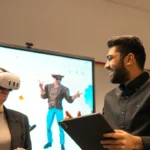
Extended Reality (XR), also known as XROM, is a combination of Virtual Reality (VR), Augmented Reality (AR), and Spatial Computing. This powerful technology allows users to interact with digital environments in immersive and realistic ways. Instead of simply viewing content on a screen, XR enables users to experience and interact with digital objects as if they exist in the real world.
- Introduction
- Understanding Extended Reality
- XR in Gaming: Creating Immersive Entertainment
- XR in Education: Transforming Learning Experiences
- XR in Workspaces: The Future of Remote Collaboration
- XR in Healthcare and Training
- Advantages of Extended Reality
- Challenges of XR Technology
- Future of Extended Reality
- Conclusion
Leading technology companies such as Meta Platforms, Microsoft, and Apple are investing heavily in XR technologies, making it clear that immersive computing will play a major role in the future of digital interaction.
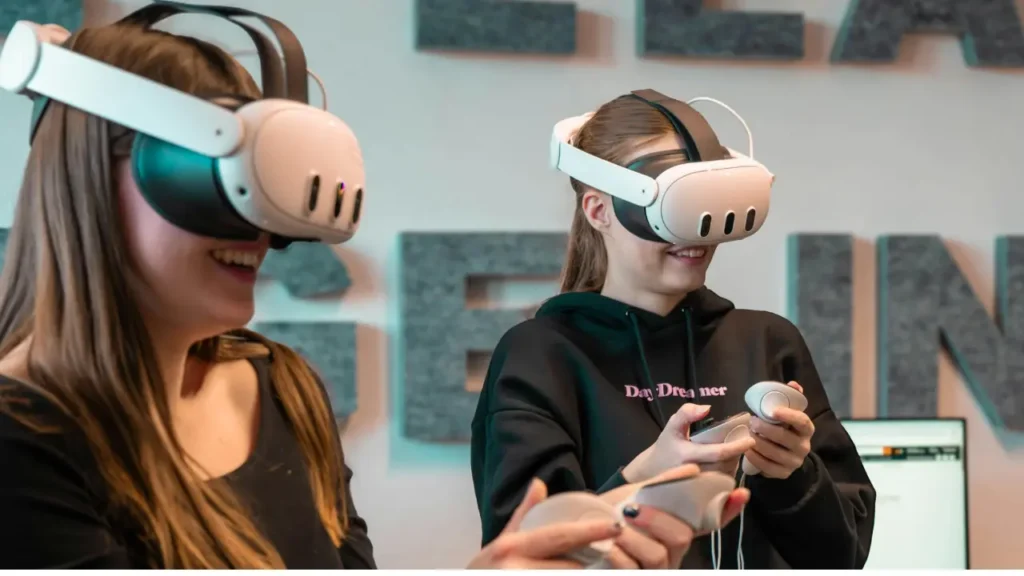
Understanding Extended Reality
Extended Reality is an umbrella term that includes three core technologies:
Virtual Reality (VR)
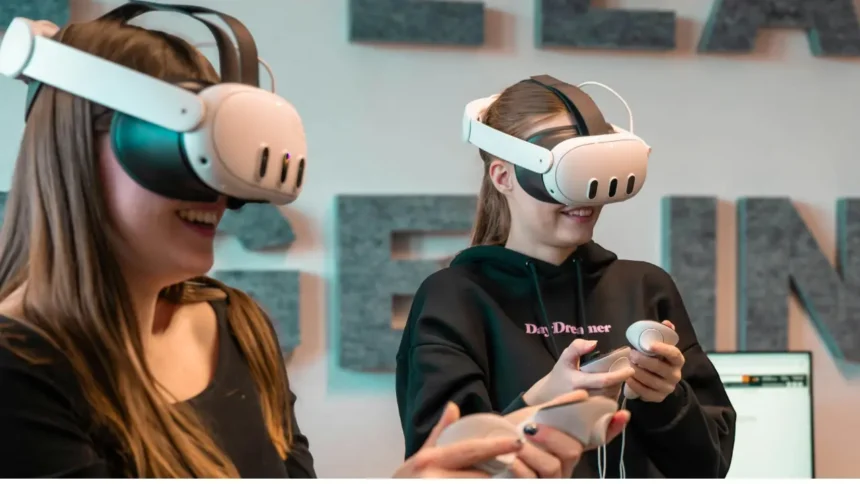
Virtual Reality creates a fully digital environment that replaces the real world. Users wear VR headsets to enter immersive virtual spaces where they can move, explore, and interact.
Augmented Reality (AR)
Augmented Reality enhances the real world by overlaying digital content such as images, text, and 3D objects onto physical surroundings.
Spatial Computing
Spatial computing allows computers to understand physical space and respond to human movements, gestures, and voice commands. It creates more natural and intuitive interaction between humans and machines.
XR in Gaming: Creating Immersive Entertainment
The gaming industry is one of the biggest beneficiaries of XR technology. XR allows players to step inside virtual worlds and interact with digital environments in real time.
Key benefits in gaming include:
- Fully immersive gameplay experiences
- Realistic movement and interaction
- Enhanced player engagement
- More interactive and dynamic environments
Players can physically move, look around, and interact naturally, making gaming more realistic than ever before.
XR is also enabling new types of games that were previously impossible using traditional screens.
XR in Education: Transforming Learning Experiences
Extended Reality is revolutionizing education by making learning more interactive, engaging, and effective.
Applications in education include:
- Virtual science laboratories
- Historical site exploration
- Medical and technical training simulations
- Interactive 3D learning environments
Students can visualize complex concepts and gain hands-on experience without physical limitations.
XR improves learning outcomes by increasing student engagement and knowledge retention.
XR in Workspaces: The Future of Remote Collaboration
XR is transforming the modern workplace by enabling virtual collaboration and immersive work environments.
Businesses use XR for:
- Virtual meetings and conferences
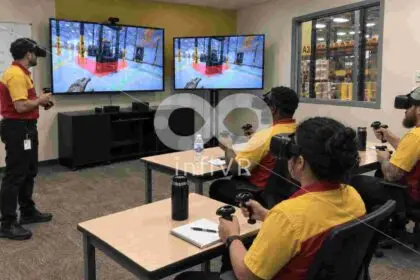
- Employee training and simulations
- Product design and prototyping
- Remote team collaboration
Employees can interact with colleagues and digital tools in virtual environments, improving communication and productivity.
XR also reduces travel costs and allows global teams to work together efficiently.
XR in Healthcare and Training
Healthcare professionals use XR for medical training, surgical simulations, and patient treatment.
Benefits include:
- Safe training environments
- Improved surgical planning
- Enhanced medical education
- Therapy and rehabilitation support
XR allows doctors and students to practice complex procedures without risk.
Advantages of Extended Reality
Extended Reality provides several key benefits:
- Immersive and realistic experiences
- Improved learning and training
- Enhanced productivity
- Better remote collaboration
- Reduced operational costs
- Increased efficiency
XR improves how humans interact with digital technology.
Challenges of XR Technology
Despite its advantages, XR still faces some challenges:
- High hardware costs
- Limited accessibility
- Technical limitations
- Privacy and security concerns
However, ongoing technological advancements are helping overcome these issues.
Future of Extended Reality
The future of XR is extremely promising. As technology becomes more advanced and affordable, XR will become part of everyday life.
XR is expected to transform:
- Education
- Healthcare
- Entertainment
- Business
- Communication
Spatial computing may eventually replace traditional screens such as smartphones and computers.
Conclusion
Extended Reality is revolutionizing gaming, education, and workspaces by creating immersive and interactive digital experiences. By combining Virtual Reality, Augmented Reality, and Spatial Computing, XR enables users to interact with digital environments in ways that were previously impossible.
As technology continues to evolve, Extended Reality will become more accessible, powerful, and widely adopted. It represents the future of computing and will fundamentally change how humans work, learn, communicate, and experience the digital world.