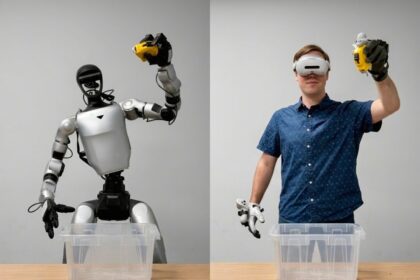





Wuhan has emerged as one of China’s most dynamic industrial and technological centers. As the capital of Hubei province and a key transportation hub in Central China, the city is accelerating its economic recovery while positioning itself as a leader in advanced manufacturing, digital industries, and scientific innovation.
- Strategic Importance of Wuhan in Central China
- Industrial Recovery and Manufacturing Upgrade
- Rise of High-Tech Industries
- Innovation Ecosystem and Research Institutions
- Digital Economy Expansion
- Smart Infrastructure and Urban Development
- Green Industry and Sustainable Development
- Biotechnology and Healthcare Innovation
- Investment and Economic Outlook for 2026
- Challenges Ahead
- Conclusion
In 2026, Wuhan’s industrial recovery is no longer just about rebuilding production capacity. It is about transforming traditional industries, embracing cutting-edge technologies, and strengthening its role in China’s long-term economic strategy.
Strategic Importance of Wuhan in Central China
Wuhan sits at the intersection of major rail, river, and highway networks, earning it the nickname “Thoroughfare of Nine Provinces.” Its central location makes it a vital logistics and industrial hub.
The city plays a critical role in:
- National supply chain stability
- Automotive manufacturing
- Optoelectronics production
- Steel and heavy industry
- Biotechnology and healthcare research
As China focuses on strengthening domestic production and technological independence, Wuhan has become a central pillar of that strategy.
Industrial Recovery and Manufacturing Upgrade
Wuhan’s industrial rebound has been driven by modernization rather than simply restoring previous output levels. The city is upgrading its traditional industries through digital transformation and automation.
Key Manufacturing Sectors
Automobile Industry
Wuhan is one of China’s largest automobile manufacturing bases. Major automotive plants have increased investments in electric vehicle production and smart vehicle technologies. The shift toward electric mobility has brought new supply chain partnerships and battery technology research into the region.
Steel and Heavy Industry
Steel production facilities are implementing energy-efficient processes and digital monitoring systems to reduce emissions and improve productivity.
Equipment Manufacturing
High-end industrial equipment production has expanded, particularly in robotics and precision machinery.
These efforts reflect Wuhan’s commitment to improving industrial resilience while aligning with national green development goals.
Rise of High-Tech Industries
Wuhan is widely recognized as China’s “Optics Valley” due to its strong presence in optoelectronics and semiconductor technologies. The East Lake High-Tech Development Zone serves as the heart of the city’s innovation ecosystem.
Optoelectronics and Semiconductor Growth
Wuhan is a global center for fiber optics, laser technologies, and optical communication systems. Companies in the region are expanding research into:
- Advanced chip manufacturing
- 5G communication components
- Optical sensors
- Smart display technologies
These sectors contribute significantly to China’s efforts to strengthen domestic semiconductor production capacity.
Innovation Ecosystem and Research Institutions
Wuhan is home to numerous universities and research institutions that support industrial innovation. The presence of leading science and engineering programs provides a steady pipeline of skilled talent.
Research collaborations between universities and private enterprises have accelerated breakthroughs in:
- Artificial intelligence
- Biotechnology
- New materials
- Information technology
Government-supported innovation funds and startup incubators are further stimulating technology entrepreneurship.
Digital Economy Expansion
The digital economy has become a major growth driver in Wuhan’s recovery. Cloud computing platforms, data centers, and AI research hubs are expanding across the city.
Key developments include:
- Smart industrial parks
- Digital supply chain management systems
- AI-powered manufacturing facilities
- E-commerce and fintech growth
Wuhan’s digital transformation enhances efficiency across industries while attracting technology investors and startups.
Smart Infrastructure and Urban Development
Industrial recovery is closely tied to infrastructure development. Wuhan is investing in smart logistics networks, high-speed rail expansion, and digital port systems to support industrial activity.
The Yangtze River plays a crucial role in cargo transportation, and upgrades to port facilities have improved international trade efficiency.
Smart city initiatives are also improving energy management, traffic systems, and environmental monitoring — creating a more business-friendly environment.
Green Industry and Sustainable Development
Sustainability is central to Wuhan’s long-term economic strategy. Industrial recovery efforts emphasize low-carbon production and renewable energy integration.
Key initiatives include:
- Expansion of solar and wind energy projects
- Development of hydrogen energy technologies
- Energy-efficient industrial equipment
- Waste recycling systems in manufacturing zones
Green transformation not only reduces environmental impact but also opens new growth sectors within clean technology industries.
Biotechnology and Healthcare Innovation
Wuhan has strengthened its position as a biotechnology and pharmaceutical research center. Investments in medical research parks and biotech startups have increased significantly.
Areas of focus include:
- Vaccine research
- Genomics
- Advanced medical devices
- Digital health solutions
These innovations contribute to both public health improvements and export potential.
Investment and Economic Outlook for 2026
Wuhan’s industrial output has shown steady growth as advanced manufacturing and high-tech sectors expand. The city continues to attract both domestic and foreign investment due to:
- Competitive industrial clusters
- Strong logistics connectivity
- Skilled labor force
- Government support policies
As China emphasizes high-quality economic development, Wuhan is expected to remain a key growth engine in Central China.
Challenges Ahead
Despite strong recovery momentum, Wuhan faces several challenges:
- Global supply chain uncertainties
- Rising production costs
- Technological competition
- Balancing growth with environmental protection
Addressing these issues will require continued innovation, policy support, and infrastructure investment.
Conclusion
Wuhan’s industrial recovery and tech innovation represent a structural transformation rather than a simple rebound. By modernizing traditional industries, expanding high-tech manufacturing, investing in research, and embracing digital technologies, the city is redefining its economic future.
As 2026 progresses, Wuhan stands as a leading example of how industrial resilience, technological innovation, and sustainable development can work together to drive regional growth. Its strategic location, strong research ecosystem, and commitment to modernization position it as one of China’s most important economic hubs in the years ahead.