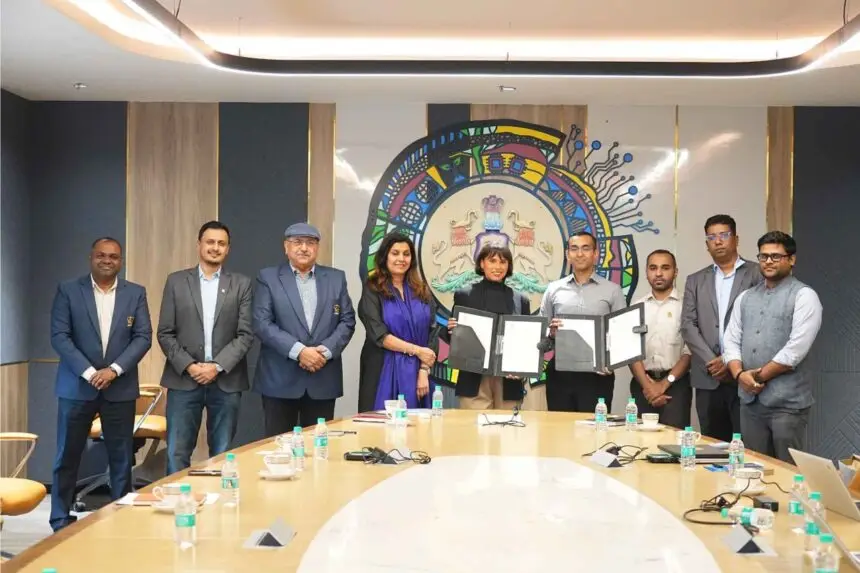
India’s Karnataka state and Business Tampere, the economic development arm of Finland’s third-largest city, have reportedly signed a Letter of Intent to explore what’s being described as a “Creative Corridor” — a partnership framework that could have meaningful implications for the extended reality (XR) and immersive tech sectors.
Details remain limited due to restricted access to the original reporting, but the broad strokes of such an agreement fit a recognizable pattern: Bengaluru, Karnataka’s capital and India’s undisputed tech hub, increasingly seeks bilateral innovation partnerships with Nordic nations known for their creative industries, gaming pedigree, and deep investment in XR infrastructure.
Why Tampere? Why Now?
Finland’s Tampere is no stranger to the immersive tech conversation. The city has cultivated a robust ecosystem around game development, simulation, and digital media — sectors that naturally overlap with AR, VR, and mixed reality applications. Pairing that with Karnataka’s vast developer talent base and startup density creates an intriguing proposition.
A Creative Corridor, if structured meaningfully, could facilitate:
- Joint XR research initiatives between Finnish universities and Indian tech institutions
- Market access pathways for Indian XR startups entering European markets
- Co-production frameworks for immersive content, gaming, and digital experiences
- Talent exchange programs bridging Nordic design sensibility with South Asian engineering scale
The Bigger Picture
India has been aggressive in courting international partnerships in the creative and immersive tech space, and Karnataka sits at the center of that ambition. The state has previously signaled interest in building XR-specific policy frameworks and innovation clusters around Bengaluru’s existing startup corridors.
Finland, for its part, brings credibility. The country that gave the world Nokia, Rovio, and Supercell understands how to build globally competitive tech ecosystems — and Tampere specifically has invested heavily in positioning itself as a creative economy anchor post-industrial transition.
Whether this LOI matures into substantive programming or remains a diplomatic formality is the real question. But the directional signal is clear: governments are increasingly treating XR and creative technology as strategic assets worthy of international diplomacy, not just domestic R&D investment.
We’ll be watching closely as further details emerge from both sides.