




Beijing is accelerating its transformation into one of the world’s most advanced smart cities. As China continues to prioritize digital modernization and sustainable urban growth, the capital city is implementing ambitious smart city expansion plans in 2026. These initiatives focus on advanced digital infrastructure, artificial intelligence integration, intelligent transportation systems, green development, and data-driven governance.
- Strategic Vision for 2026
- Digital Infrastructure and 5G Advancement
- Artificial Intelligence in Urban Governance
- Smart Transportation Expansion
- Green and Sustainable Urban Development
- Smart Manufacturing and Industrial Digitalization
- Public Services and Citizen-Centric Platforms
- Data Integration and Urban Security
- Economic and Global Impact
- Challenges and Considerations
- Conclusion
With a population of over 20 million people and a rapidly evolving economy, Beijing’s smart city strategy aims to enhance efficiency, sustainability, and quality of life while strengthening its position as a global technology leader.
Strategic Vision for 2026
Beijing’s 2026 smart city expansion is guided by a long-term digital transformation roadmap. The strategy focuses on building a fully interconnected urban ecosystem where government services, infrastructure, businesses, and citizens operate through integrated digital platforms.
The core goals include:
- Expanding high-speed digital connectivity
- Integrating artificial intelligence into urban management
- Modernizing transportation systems
- Promoting sustainable energy solutions
- Enhancing public service efficiency
The city is working toward creating a resilient, intelligent urban environment capable of handling economic growth, environmental challenges, and increasing urban demands.
Digital Infrastructure and 5G Advancement
One of the foundational pillars of Beijing’s smart city development is digital infrastructure. By 2026, the city aims to further expand its 5G network coverage and deploy next-generation communication technologies.
Key developments include:
- Large-scale deployment of advanced 5G base stations
- Expansion of fiber-optic broadband networks
- Integration of edge computing and cloud platforms
- Strengthening cybersecurity infrastructure
These technologies support emerging industries such as autonomous vehicles, telemedicine, smart manufacturing, and digital finance. High-speed connectivity also allows real-time data processing, enabling smarter decision-making in traffic control, emergency response, and public services.
Artificial Intelligence in Urban Governance
Artificial intelligence is central to Beijing’s smart city model. In 2026, AI applications are being integrated into multiple urban sectors, including:
- Traffic flow optimization
- Public safety monitoring
- Environmental forecasting
- Healthcare systems
- Administrative automation
AI-powered systems analyze massive volumes of data collected from sensors, cameras, and connected devices across the city. This data-driven governance model improves efficiency, reduces human error, and enables predictive planning.
For example, intelligent traffic systems can detect congestion patterns and automatically adjust signal timing. Similarly, AI-driven environmental monitoring helps track air quality and respond to pollution spikes more effectively.
Smart Transportation Expansion
Transportation modernization is a major component of Beijing’s 2026 expansion plans. The city continues to expand its metro network while integrating digital systems into public transit.
Key initiatives include:
- Adding new subway lines and extending existing routes
- Implementing smart ticketing systems
- Integrating bus and rail scheduling through digital platforms
- Expanding electric vehicle infrastructure
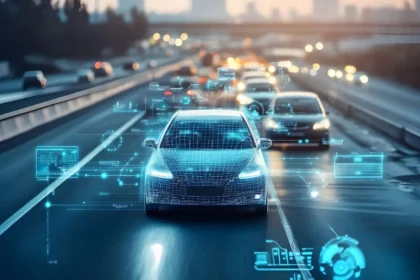
Beijing is also advancing autonomous vehicle testing zones and smart traffic management systems. These improvements reduce travel time, lower emissions, and improve commuter convenience.
The development of intelligent transport networks supports both economic productivity and environmental sustainability.
Green and Sustainable Urban Development
Sustainability is a critical focus area in Beijing’s smart city blueprint. The city is aligning digital innovation with environmental responsibility to meet national carbon reduction goals.
Major sustainability initiatives include:
- Smart energy grids
- Renewable energy integration
- Intelligent waste management systems
- Water resource monitoring
- Green building technologies
Smart grids enable efficient distribution of electricity and better integration of renewable energy sources such as solar and wind. Digital monitoring systems help reduce waste and optimize resource usage.
By combining technology with environmental planning, Beijing aims to create a low-carbon, energy-efficient urban ecosystem.
Smart Manufacturing and Industrial Digitalization
Beijing is not only upgrading urban services but also transforming its industrial base. In 2026, the city continues investing in intelligent manufacturing facilities and digital production systems.
Key areas of focus include:
- Automated factories
- Robotics and industrial AI
- Digital supply chain management
- Industrial internet platforms
These innovations improve productivity, reduce operational costs, and enhance global competitiveness. Smart factories use real-time data to monitor production efficiency and minimize downtime.
The integration of digital tools into manufacturing strengthens Beijing’s role as a high-tech industrial hub.
Public Services and Citizen-Centric Platforms
A successful smart city must deliver measurable improvements to residents’ daily lives. Beijing’s 2026 expansion prioritizes user-friendly digital public services.
Examples include:
- Unified government service platforms
- Digital healthcare appointments
- Online administrative approvals
- Smart education platforms
- Real-time emergency response systems
Citizens can access services through mobile applications and integrated digital portals. This reduces paperwork, shortens processing times, and increases transparency.
Smart healthcare systems allow remote consultations and digital medical record management, improving accessibility and efficiency.
Data Integration and Urban Security
Data is the backbone of smart city operations. Beijing’s strategy includes building centralized data-sharing platforms that connect various government departments.
This integrated data ecosystem enables:
- Faster emergency coordination
- Improved disaster response
- Predictive maintenance of infrastructure
- Better urban planning decisions
At the same time, cybersecurity measures are being strengthened to protect personal information and maintain system integrity.
Economic and Global Impact
Beijing’s smart city expansion plans are expected to significantly impact both domestic and global markets.
The economic benefits include:
- Growth in AI and technology sectors
- Increased foreign investment
- Expansion of digital startups
- Job creation in high-tech industries
By leading in smart city innovation, Beijing enhances its reputation as a global technology capital. This strengthens China’s influence in urban digitalization and sets standards for future smart city projects worldwide.
Challenges and Considerations
Despite rapid progress, smart city expansion comes with challenges. These include:
- Data privacy concerns
- Infrastructure costs
- Technology integration complexity
- Digital inequality issues
Beijing must balance technological advancement with social inclusivity and regulatory oversight to ensure sustainable development.
Conclusion
Beijing’s smart city expansion plans in 2026 represent a comprehensive transformation of urban life. Through investments in digital infrastructure, artificial intelligence, green energy, transportation modernization, and citizen services, the city is building an interconnected and intelligent metropolitan ecosystem.
As these initiatives continue to unfold, Beijing is positioning itself as a model for future urban development. The city’s approach demonstrates how technology, sustainability, and governance can work together to create smarter, more efficient, and more livable cities.