



The Paris Expo Porte de Versailles in France hosted the 10th
anniversary edition of VivaTech, the international technology and innovation
exhibition. Under the theme “Artificial Intelligence: Impact, Not Illusion,” this year’s
event brought together more than 14,000 startups, 200,000 professional attendees, and
over 3,600 investment institutions from around the world.
At this top-tier global technology event, the themed pavilion “Shumao Qihang,”
coordinated by the Hangzhou Municipal Bureau of Commerce and developed by the
Hangzhou Convention & Exhibition Group, made its debut. It also marked the first
deep collaboration between VivaTech and a Chinese city delegation in the exhibition’s
ten-year history. As a representative company from Hangzhou’s advanced
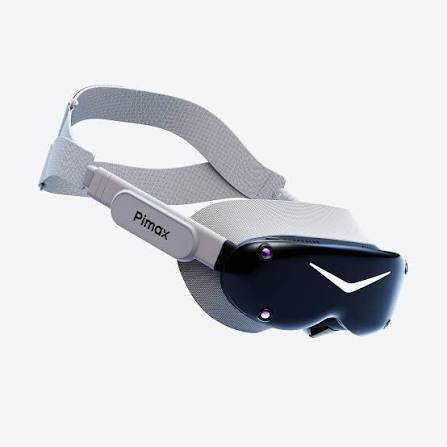
manufacturing cluster in virtual reality, Pimax made a major appearance with its
lightweight flagship products, the Dream Air and Dream Air SE.
According to available information, the Dream Air features Sony Micro-OLED
displays, offering extremely high resolution and a 110-degree field of view. While
delivering ultra-clear image quality and an immersive visual experience, it also
achieves exceptional wearing comfort, making it stand out among the VR headset
products on display.
During the exhibition, the president of the Cannes Film Festival visited the booth in
person and gave high praise to the product’s visual performance. The two sides also
reached a preliminary intention on future project cooperation and brand naming.
VivaTech President Nicolas Douchement likewise spoke highly of the company,
saying that Pimax’s product philosophy and technical roadmap are highly aligned
with the current direction of AI development.
On the public open day, long lines formed at the Pimax booth. Many family visitors
praised the product’s light weight and clarity, while children quickly immersed
themselves in a world where the virtual and the real blend together as soon as they put
it on.
By deeply integrating AI and VR, Pimax is defining the “sensory gateway” of the age
of artificial intelligence. With support from Hangzhou’s digital trade going-global
policies, the company will continue working to make high-end VR more accessible to
the public, so that technology can truly be seen, felt, and used. (Source: VRAR WORLD)